Industrial Panel PC Selection and Control Solution with Anti-interference Design for Automotive Brake Component Machining Lines
News 2026-11-26
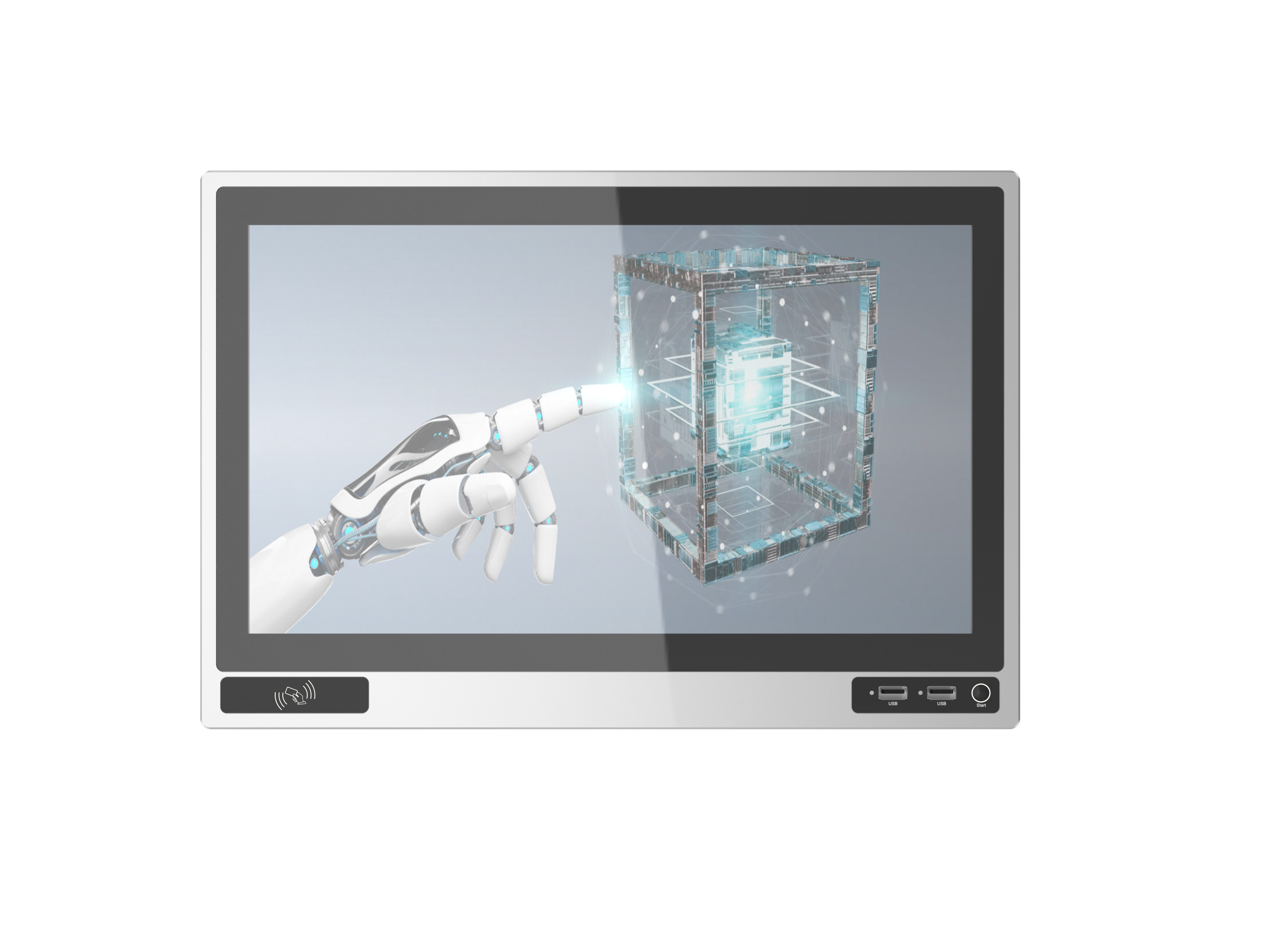
Brake components are safety-critical automotive parts, requiring strict process control, stable data recording and reliable equipment communication during machining. The production site contains CNC machine tools, servo drives, frequency converters and welding equipment, which generate electromagnetic noise. Unstable signals may lead to communication interruption, data disorder and abnormal HMI response. Industrial panel PCs with anti-interference design serve as on-site control and data acquisition terminals to support continuous and stable operation of brake part machining lines.
Application Background
Typical brake parts include brake calipers, brake discs, brake drums and related hydraulic components. Machining processes cover turning, milling, grinding, drilling and on-line inspection. Operators call process parameters, start machining cycles, record inspection data and bind traceability information through the panel PC. The terminals need to maintain stable communication with PLC, sensors, measuring instruments, barcode readers and MES systems under electromagnetic interference, cutting fluid mist and dust.
Core Selection Criteria for Anti-interference Industrial Panel PCs
- Electromagnetic shielding and circuit protection The metal enclosure adopts shielding structure to reduce radiation interference. Communication ports and power circuits are equipped with isolation, surge and ESD protection modules. Wide-voltage DC input helps adapt to voltage fluctuation and pulse interference on workshop power supply.
- Fanless closed structure Fanless heat dissipation design avoids dust accumulation inside the chassis. The sealed front panel supports IP65 protection against cutting fluid splashing and dust, reducing the risk of short circuit and signal drift caused by contaminants.
- Industrial communication interfaces Isolated RS485, Gigabit Ethernet, CAN and GPIO are reserved for connection with machine controllers and measuring devices. Lockable connectors are recommended to improve connection stability under vibration. The hardware supports mainstream industrial protocols such as Profinet, EtherCAT and Modbus.
- Touch and display stability The touch circuit is optimized for anti-interference, avoiding accidental touch or touch failure when nearby motors and inverters work. The display keeps consistent brightness for operators to check drawings, dimension requirements and real-time machining status. Glove-touch compatible options are available.
- Continuous operating capability The platform supports long-duration 24/7 operation. Storage and computing modules are selected for industrial-grade reliability, to reduce unexpected shutdown during critical machining of safety-related brake parts.
Typical Workstation Configuration Reference
- Rough machining station: Fanless panel PC with isolated serial and Ethernet ports, used for parameter download, production logging and manual operation confirmation.
- Precision grinding station: Mid-spec panel PC connected to online measuring instruments, for real-time dimension data upload and process closed-loop control.
- Final inspection station: Panel PC matched with scanners and measuring tools, for test result storage and traceability code association.
- Central line control station: Higher-performance panel PC for line status visualization, alarm display and production KPI statistics.
Control and Integration Notes
The panel PC receives production tasks from the upper MES system and sends process parameters down to field controllers. Machining data, inspection records and equipment alarm information are uploaded for quality tracking and review. Grounding and wiring specifications should be followed during installation: signal cables and power cables are routed separately, and shielding cables are properly grounded to further reduce interference. System backup and log recording functions are configured to assist troubleshooting when communication anomalies occur. The hardware platform maintains compatibility for software iteration and station function adjustment.
Summary
Anti-interference industrial panel PCs provide local HMI, control interaction and edge data collection for automotive brake component machining lines. With shielding design, isolated interfaces and robust mechanical structure, they help reduce the impact of electromagnetic noise on communication and operation, support consistent process c