The typical application of industrial liquid crystal screens in intelligent manufacturing production lines
Product knowledge 2026-03-09
As the manufacturing industry undergoes the transformation towards digitalization and intelligence, the intelligent manufacturing lines have achieved automation, dataization and visualization in the production process. And the industrial LCD screens, as the core carrier of human-computer interaction, with their high reliability, strong environmental adaptability, precise display and other characteristics, deeply integrate into every aspect of the production lines and undertake key functions such as data presentation, instruction input, status monitoring and fault warning. Different from consumer-level LCD screens, industrial LCD screens can adapt to the complex working conditions of intelligent manufacturing lines, such as high dust, strong vibration, high and low temperatures, and strong light, providing reliable visual support for the efficient and stable operation of the production lines. This article will combine the core links of intelligent manufacturing lines to analyze the typical application scenarios of industrial LCD screens, present their core value in improving production efficiency, ensuring production quality and reducing operation and maintenance costs, and help industry practitioners clearly understand their application logic and practical significance.
The core requirements of the intelligent manufacturing production line are to achieve “human-machine collaboration, data-driven approach, and precise control”. The industrial LCD screen, as the bridge connecting the operators and the automated equipment, is applied throughout the entire process of the production line, including material input, processing, inspection, storage, and operation maintenance. The differences in working conditions and functional requirements at different stages determine that the selection and application methods of industrial LCD screens vary, but the core all revolve around “stable display, precise interaction, and adaptation to working conditions”, making it one of the indispensable core hardware components in the intelligent manufacturing production line
- Production Line Control Terminal: The Core Hub of Human-Machine Interaction
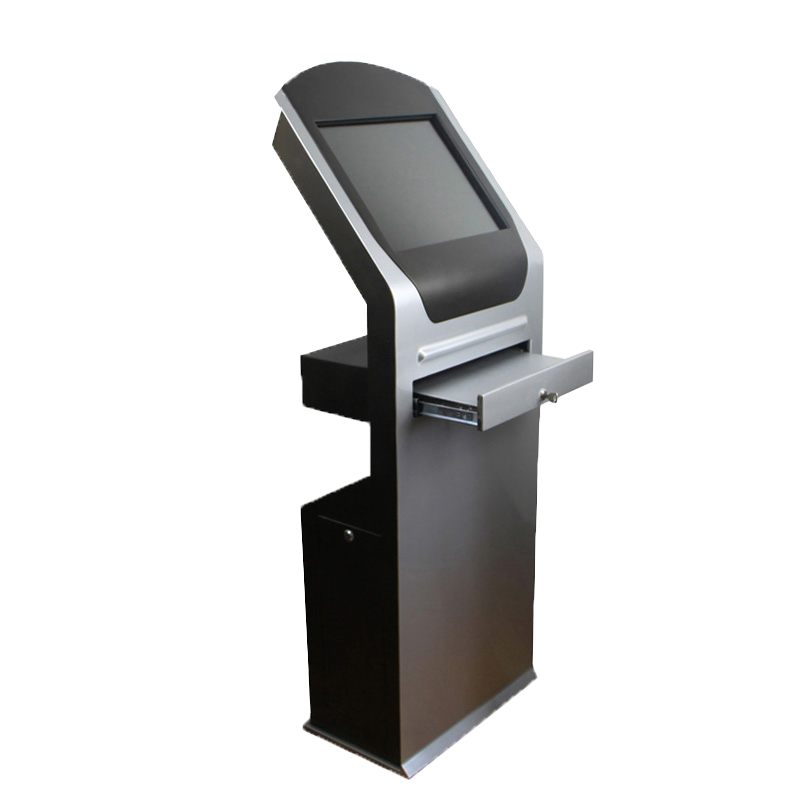
The control terminal of the intelligent manufacturing production line is the core platform for operators to manage the production line operation, input operation instructions, and view production data. The industrial LCD screen, as the display core of the control terminal, directly affects the operation efficiency and control accuracy. For such application scenarios, the core requirements for industrial LCD screens are: high stability, precise touch control, clear display, and the ability to adapt to the dusty and slight vibration conditions in the workshop, while supporting 7×24-hour uninterrupted operation.
Typical application scenarios include the main control console of the production line, the operation panel of the equipment, and the distributed control terminal, etc. On the main control console of the production line, industrial LCD screens usually adopt large size and high resolution designs, presenting the operating status of the entire production line in real time, including the working parameters of each equipment, production progress, production capacity data, fault information, etc. Operators can input instructions such as starting and stopping the production line, adjusting parameters, and switching processes through touch operation, achieving centralized control of the production line. On the operation panel of a single automated equipment (such as a machine tool, robot, injection molding machine), industrial LCD screens mostly adopt small size and high protection design, focusing on the display of the operating parameters of a single equipment (such as speed, pressure, temperature) and local operation instruction input. Operators can monitor the operation status of the equipment in real time through the screen and adjust the parameters in time to avoid equipment failures.
In such applications, industrial LCD screens mostly adopt resistive or capacitive touch screens (capacitive screens are preferred in indoor cleaning scenarios, while resistive screens are preferred in dusty or glove-wearing operation scenarios). The brightness is adjusted to match the intensity of the workshop lighting. The protection level usually reaches above IP65 to ensure stable operation in dusty environments. At the same time, it has certain anti-vibration capabilities to avoid display abnormalities caused by vibration during equipment operation.
II. Production Data Visualization: Intuitive Presentation Based on Data Driven Approach
The core advantage of the intelligent manufacturing production line lies in the real-time collection, analysis and application of production data. The industrial LCD screen, as the core carrier of data visualization, can present various data (production capacity data, quality data, equipment operation data, etc.) during the production line operation in the form of charts, numbers, curves, etc., helping operators quickly understand the operation status of the production line and identify problems in the production process, providing data support for production decisions.
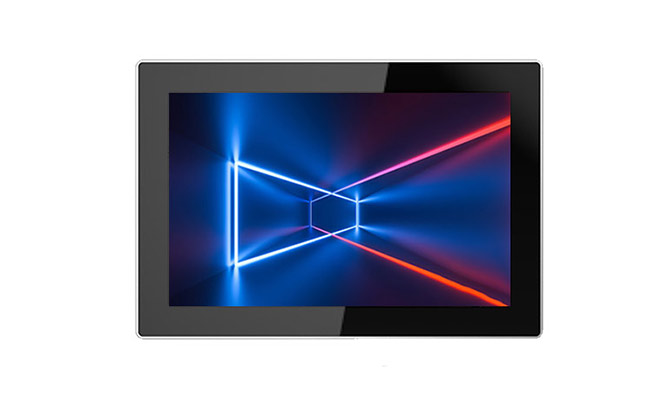
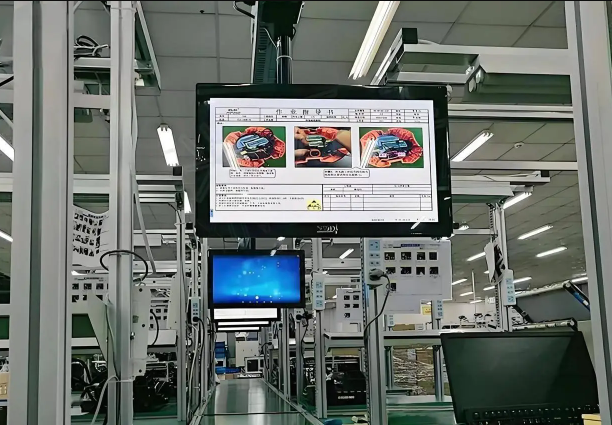
Typical application scenarios include production line data monitoring screens, workshop dashboards, quality analysis terminals, etc. On the production line data monitoring screen, industrial LCD screens adopt designs with large size, high brightness, and wide viewing angle. They are usually installed in prominent positions in the workshop and display core data such as production capacity, yield rate, equipment utilization rate, and energy consumption of the entire production line in real time. They support multi-data linkage display. Managers can quickly grasp the overall operation of the production line through the screen and promptly identify capacity bottlenecks, quality abnormalities, etc. On the workshop dashboard, industrial LCD screens mostly adopt medium-sized designs, divided by teams and processes, and display production progress, task completion status, quality inspection results, etc. of the corresponding links, facilitating front-line operators to understand their own work progress and work quality, and improving work efficiency. On the quality analysis terminal, industrial LCD screens, combined with data analysis software, present product detection data in the form of curves and histograms, helping quality managers analyze the causes of product quality fluctuations, optimize production processes, and improve product qualification rates.
In such applications, industrial LCD screens need to have features such as high resolution, high contrast ratio, and wide viewing angle to ensure clear and intuitive data display, without any distortion or blurriness when observed by multiple people from multiple angles. For outdoor or high-intensity light workshop scenarios, high-brightness industrial LCD screens should be selected, combined with anti-glare coatings to avoid interference from strong light and ensure data reading accuracy. In some high-end scenarios, wide-temperature industrial LCD screens will also be used to adapt to the temperature fluctuations in workshops.
III. Equipment Status Monitoring: Fault Warning and Operation Maintenance Assurance
In the intelligent manufacturing production line, the stable operation of automated equipment is the key to ensuring production continuity. The industrial LCD screen, as the core terminal for monitoring equipment status, can collect and display the operating parameters and fault information of the equipment in real time, achieving fault prediction and rapid troubleshooting, reducing equipment failure rates and minimizing production line downtime losses. The core requirements for industrial LCD screens in such application scenarios are: high reliability, wide temperature compatibility, strong anti-interference ability, and the ability to operate stably for a long time in complex working conditions near the equipment.
Typical application scenarios include equipment status monitoring screens, fault diagnosis terminals, and operation management terminals, etc. Near the body of automated equipment (such as industrial robots, conveyors, and inspection equipment), industrial LCD screens display real-time operating parameters of the equipment (such as motor speed, load, temperature, and running time). When the equipment parameters exceed the normal range, the screen will promptly display warning information to alert the operators to promptly investigate the issue. In the fault diagnosis terminal, the industrial LCD screen, combined with equipment diagnosis software, displays equipment fault codes, fault locations, fault causes, and troubleshooting suggestions, helping maintenance personnel quickly locate and resolve the faults, reducing equipment downtime. In the operation management terminal, the industrial LCD screen presents information such as the operation records, maintenance plans, and spare parts inventory of the entire production line equipment, facilitating maintenance personnel to formulate operation plans, perform equipment maintenance, and extend the equipment’s service life.
In such applications, industrial LCD screens are mostly selected as wide-temperature and highly protective models. They are designed to adapt to the vibration, high and low temperatures, and electromagnetic interference during the operation of the equipment. The protection level usually reaches IP65 or above. For some harsh environments (such as metallurgical and chemical production lines), industrial LCD screens with IP68-level protection are chosen. At the same time, the screen needs to have good anti-electromagnetic interference capability to avoid the influence of electromagnetic signals generated by the equipment operation on the display effect, and to ensure the accurate presentation of fault information and operating parameters.
IV. Product Testing and Quality Control: Precise Identification and Quality Assurance
Product inspection and quality control are crucial steps in an intelligent manufacturing production line. The industrial LCD screen, as the core display component of the inspection terminal, can clearly present information such as product inspection images, inspection parameters, and quality standards, helping inspectors accurately identify product defects and ensuring that product quality meets the requirements. For such application scenarios, the core requirements for industrial LCD screens are: high resolution, high contrast, strong color accuracy, and the ability to clearly display the subtle defects of the product and inspection data.
Typical application scenarios include display terminals for precision inspection equipment, visual inspection screens, and quality inspection terminals, etc. In precision inspection equipment (such as chip inspection, component size inspection, and appearance inspection equipment), industrial LCD screens adopt high-resolution and high-contrast designs, displaying enlarged images of products, size parameters, detection errors, and other information in real time. Inspection personnel can clearly observe the subtle defects (such as scratches, deformation, size deviations) of the products through the screen and accurately determine whether the products are qualified. In visual inspection systems, industrial LCD screens work in conjunction with visual cameras to display the product images captured by the cameras and the inspection results. When an unqualified product is detected, the screen will promptly mark and issue an alert, facilitating the operators to handle it in a timely manner. In quality inspection terminals, industrial LCD screens display inspection data, qualification standards, and inspection results of the inspected products, helping quality managers record the inspection situation, analyze quality issues, and optimize production processes.
In such applications, industrial LCD screens mostly adopt capacitive touch screens with high resolution and high contrast. In some high-end scenarios, OLED industrial screens are selected to ensure color accuracy and display clarity. At the same time, the screen needs to have good stability to prevent brightness reduction and color distortion caused by long-term operation, and to ensure the accuracy of the detection results.
V. Warehousing and Logistics Phase: Process Control and Efficiency Enhancement
The warehousing and logistics sections of the intelligent manufacturing production line are responsible for functions such as raw material entry, semi-finished product transportation, and finished product output. The industrial LCD screen, as the human-machine interaction terminal in this section, can realize the visual control of the warehousing and logistics process, improve logistics efficiency, reduce material losses, and ensure that the material flow is synchronized with the production progress. The core requirements for such application scenarios regarding industrial LCD screens are: high protection, anti-vibration, wide viewing angle, and the ability to adapt to various working conditions such as dustiness, high and low temperatures, and frequent movement in the warehousing environment.
Typical application scenarios include warehouse management terminals, display panels for AGV (Automated Guided Vehicle) carts, and material scanning terminals, etc. In the warehouse management terminal, the industrial LCD screen displays information such as warehouse inventory, material locations, entry records, and exit records. Operators can achieve processes such as material entry, exit, and inventory checking through touch operations, ensuring accurate inventory data and orderly material flow. On the display panel of the AGV cart (automated guided vehicle), the industrial LCD screen displays the running route, material information, destination, and running status of the cart in real time. Operators can monitor the running situation of the cart through the screen and adjust the route in time to ensure precise material transfer. In the material scanning terminal, the industrial LCD screen displays the scanning results, material information, and corresponding production processes, helping operators quickly confirm the materials and avoiding incorrect or missed material dispatch, ensuring smooth production processes.
In such applications, industrial LCD screens are mostly selected in models with high protection and anti-vibration capabilities, with a protection level of IP65 or above. For some outdoor or mobile scenarios, wide-temperature industrial LCD screens are chosen, which can adapt to both high and low temperature environments. For industrial LCD screens on mobile devices such as AGV carts, they also need to have lightweight and miniaturized features to facilitate installation and operation.
VI. Application Precautions and Selection Principles
(1) Application Precautions - Meeting the requirements of working conditions: The working conditions at different stages of the intelligent manufacturing production line vary significantly. It is necessary to select industrial LCD screens with corresponding protection levels and wide temperature ranges based on the dust, humidity, temperature, and vibration conditions of the specific scenarios, to avoid display abnormalities and equipment damage caused by mismatched working conditions.
- Pay attention to the installation method: Based on the layout of the production line and the position of the equipment, select appropriate installation methods such as embedded, wall-mounted, or tabletop, to ensure that the operators can operate conveniently and avoid the impact of equipment operation vibration on the industrial LCD screen.
- Regular maintenance: For industrial LCD screens that are exposed to complex working conditions for a long time, it is necessary to regularly clean the dust on the screen surface, inspect the sealing performance, and prevent dust and moisture from entering the internal part of the screen, which could affect the display performance and service life.
- Matching interaction requirements: Based on the operation mode (whether gloves are worn, whether multi-touch is required), select resistive, capacitive or infrared touch screens to ensure smooth and accurate operation, thereby enhancing operational efficiency.
(II) Selection Principles - Prioritize scenario adaptation: The core of the selection process is to match the working conditions and functional requirements of the production line. There is no need to blindly pursue high parameters. For example, for ordinary workshop control terminals, a regular protective and normal brightness industrial LCD screen can be selected; for harsh environment scenarios, high protection and wide temperature models should be chosen.
- Focus on stability and reliability: Industrial LCD screens need to be capable of operating continuously for 24 hours a day without interruption. When selecting a model, pay attention to the average time between failures (MTBF) of the product, aging test reports, etc., to ensure long-term stable operation.
- Balance practicality and cost-effectiveness: Select the appropriate resolution, size, and touch control method based on the production line requirements. Avoid choosing parameters that are too high, which would result in cost waste. At the same time, ensure that the requirements for functions are met.
- System Compatibility: The industrial LCD screen must be compatible with the control system of the production line, data analysis software, inspection equipment, etc., to ensure smooth data transmission and synchronized operation, and to avoid compatibility issues.
VII. Conclusion
The application of industrial liquid crystal screens in intelligent manufacturing lines covers the entire process including control, data, equipment, inspection, and storage. Their stable and precise display and interaction capabilities provide important support for the efficient and stable operation of intelligent manufacturing lines, promoting the automation, dataization and visualization upgrade of the production process. From the control terminal of the production line to the product inspection terminal, from the data monitoring large screen to the warehouse and logistics terminal, industrial liquid crystal screens present diverse application forms according to the working conditions and requirements of different links. Their core value always lies in “matching the scene and serving production”.
With the continuous deepening of intelligent manufacturing technology, the demand for industrial LCD screens in production lines will become more diverse. Not only will higher requirements be placed on environmental adaptability and stability, but they will also gradually integrate technologies such as artificial intelligence and the Internet of Things to achieve intelligent functions such as automatic brightness adjustment, automatic fault warning, and remote monitoring. In the future, industrial LCD screens will further optimize their performance and enhance their adaptability, deeply integrating with intelligent manufacturing production lines. This will provide more reliable human-machine interaction support for the digital and intelligent transformation of the manufacturing industry, helping to increase production efficiency, ensure product quality, reduce operation and maintenance costs, and promote the high-quality development of the manufacturing sector.