Industrial Panel PC Solution for Mixed-Model Flexible Machining Lines of Automotive Components
News 2026-11-26
Automotive component manufacturers often face variable order structures, frequent product changeovers and mixed production of multiple part types on the same line. Flexible production setups help factories adapt to diversified part specifications, shorten changeover cycles and maintain consistent process control. Industrial panel PCs serve as on-site HMI and data acquisition terminals to support the stable operation of such mixed-flow machining lines.
Application Background
In mixed-model automotive parts machining lines, one workstation may handle different brackets, castings, forging parts and precision mechanical components. Operators need to call up corresponding process recipes, adjust machining parameters, record production logs and perform quality traceability. The terminal hardware must communicate with CNC machines, PLC, barcode scanners, RFID readers and MES platforms, and run continuously in workshop environments with dust, vibration and electromagnetic interference.
Core Selection Considerations for Industrial Panel PCs
- Computing and recipe management capacity The hardware should support local caching of multi-product process recipes and fast switching of parameter sets. Stable computing performance helps avoid delay when loading different machining programs during model change. The system maintains compatibility with mainstream industrial operating systems and factory software.
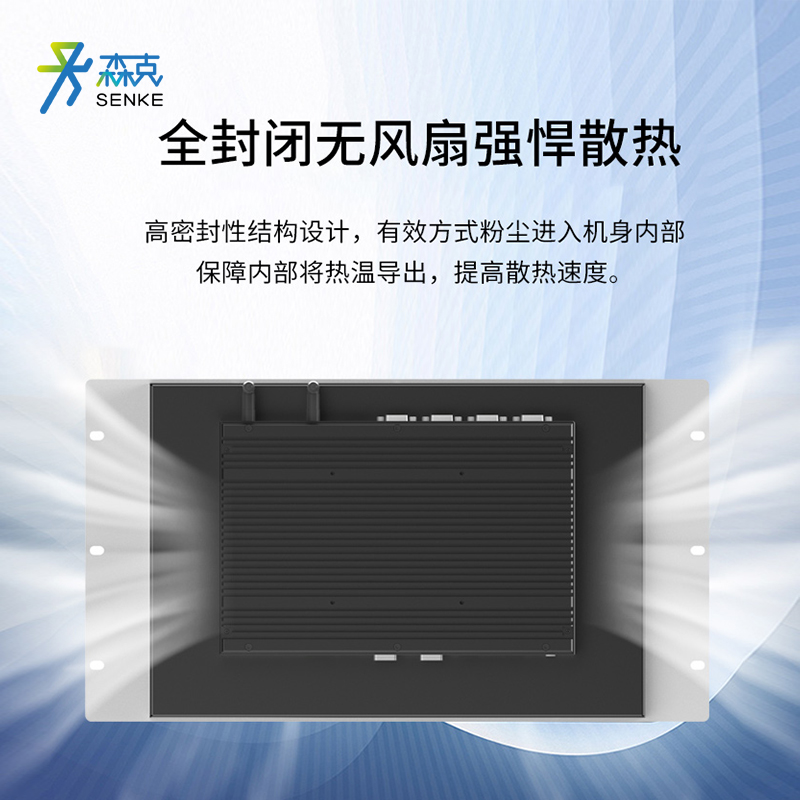
- Environmental adaptability Fanless closed structures are preferred for dust resistance. The enclosure is designed to resist vibration from machining equipment. Isolation and shielding for communication ports help reduce electromagnetic interference generated by machine tools and welding equipment.
- Rich and expandable interfaces Dual Ethernet, serial ports, USB and GPIO interfaces are reserved for connecting scanners, RFID modules, sensors and peripheral controllers. The flexible I/O layout allows connection adjustments when the product mix and workstation functions change.
- Touch and display performance Capacitive or resistive touch options can be selected according to operation habits, supporting operation with gloves. The display maintains stable brightness under workshop lighting, for clear viewing of process sheets, parameter tables and real-time production status.
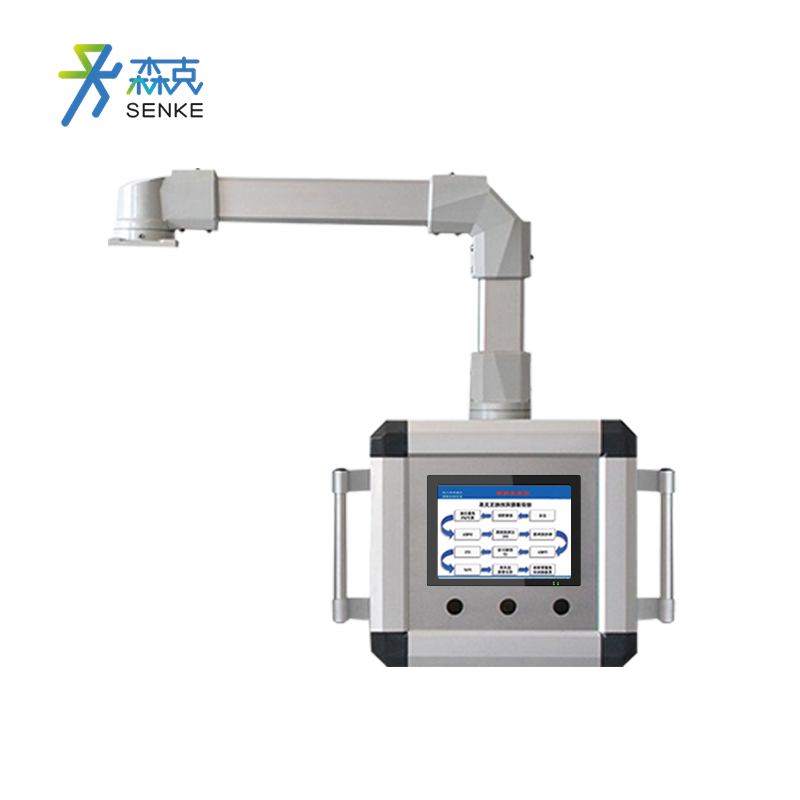
- Diverse installation options Embedded, wall mount and swing arm mounting are available to fit beside CNC machines, fixture stations and material feeding points. The compact form fits limited space on machining stations.
Typical Workstation Configuration Reference
- High-frequency changeover stations: Mid-range fanless panel PC, equipped with RFID and barcode reading modules, mainly for recipe call, process confirmation and production data submission.
- Precision machining stations: Higher computing specification panel PC, connected to CNC and measurement instruments, used for parameter monitoring and real-time data upload.
- Line-end inspection stations: Panel PC matched with vision or measuring tools, for result recording and binding traceability codes.
System Integration and Deployment Notes
The panel PC connects to the MES layer to receive production scheduling tasks, and synchronizes process parameters down to field equipment. Production data, machining time and inspection records are uploaded back for traceability and KPI statistics. The whole setup supports incremental expansion: new part types can be added by updating recipe files without replacing the terminal hardware.
Regular firmware maintenance and backup mechanisms are recommended to keep the terminals reliable during long continuous operation. Field wiring should adopt locking connectors to reduce loose contact caused by equipment vibration.
Summary
Industrial panel PCs provide localized HMI and edge data collection capability for mixed-model automotive parts flexible machining lines. With adaptable hardware design and open communication architecture, they help unify operation terminals for different part types, simplify model change management and support transparent digital management on flexible production lines.