Lithium Battery PACK Production Line Industrial Panel PC Selection Solution
News 2026-11-25
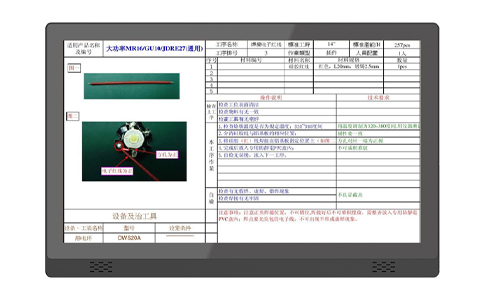
Lithium battery PACK assembly involves multiple processes including cell sorting, stacking, welding, gluing, testing and packaging. Industrial panel PCs serve as on-site HMI terminals, data acquisition nodes and work instruction display units for MES, BMS and test systems. The selection needs to match the special environment and process requirements of the PACK workshop.
Core Selection Considerations
1. Environmental Adaptation
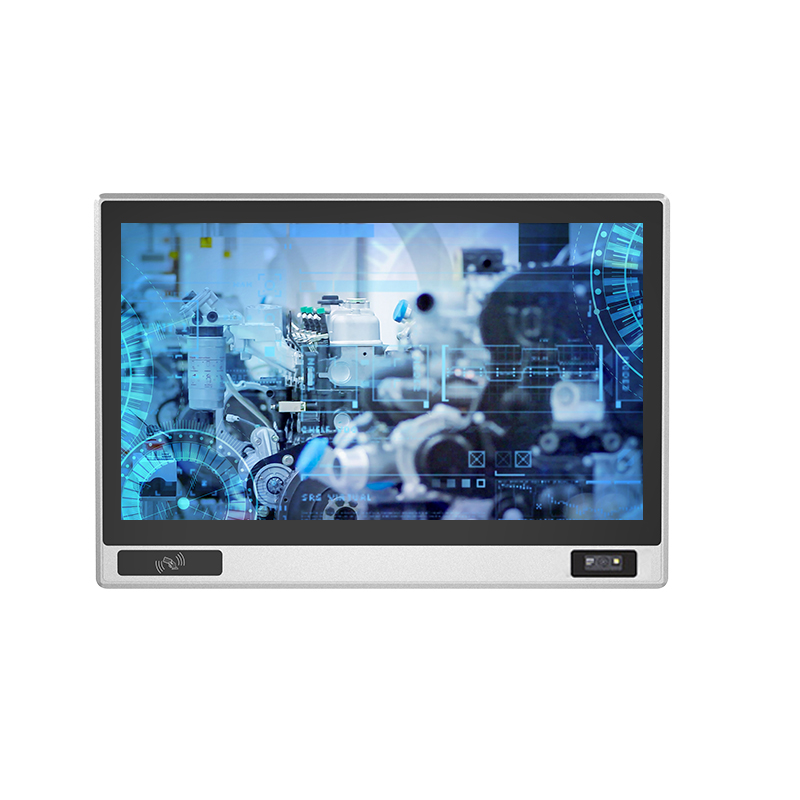
Most PACK workshops are clean rooms with controlled dust and static management requirements. ESD protection design helps reduce static risks to battery cells and electronic components. Fanless passive cooling structure avoids dust accumulation caused by fan rotation. A wide operating temperature range supports stable operation in areas with heat generation from welding and testing stations. Front panel with IP65 rating provides protection against dust and splashed liquid. EMC shielding structure helps mitigate interference from welding machines, high-voltage test equipment and robotic arms.
2. Computing Performance Matching
Different stations carry different computing loads. Routine stations for ESOP display, barcode scanning and data recording can adopt low-power platforms. Stations integrated with machine vision inspection, multi-channel data synchronization and real-time testing data analysis require higher CPU and memory configuration. SSD storage is recommended for industrial scenarios to adapt to continuous 24-hour operation.
3. Interface and Communication Compatibility
The equipment needs reserved interfaces such as Ethernet, RS232/485, USB and CAN bus to connect scanners, barcode readers, PLCs, test instruments and sensors. Multiple network ports can separate control network and data collection network. It supports common industrial communication protocols to facilitate docking with MES, WMS and BMS platforms. Isolated I/O design helps reduce the risk of signal impact between devices.
4. Touch and Mounting Method
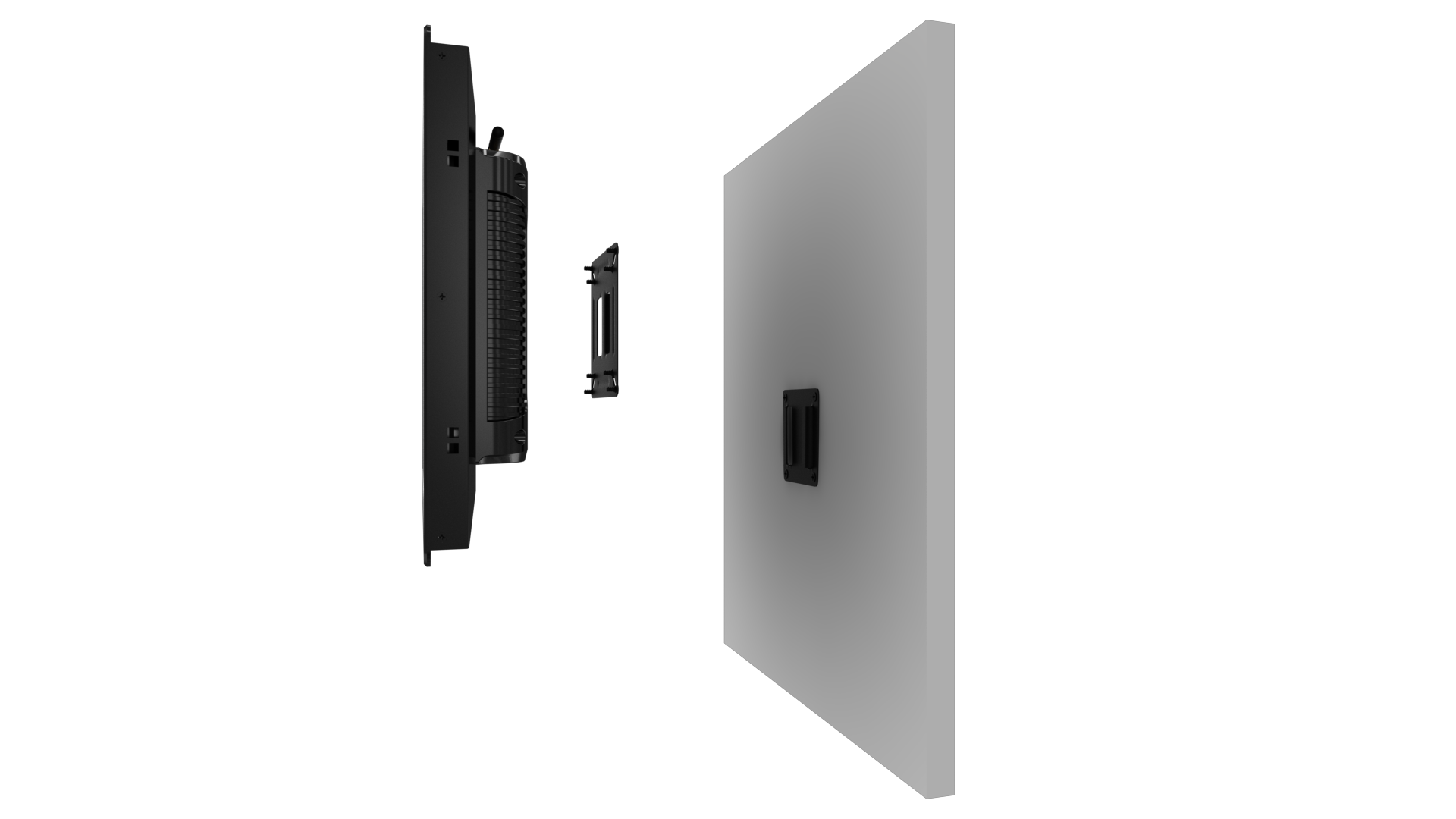
Capacitive touch supports normal operation with thin gloves; resistive touch is optional for scenarios with thick protective gloves. VESA mounting, panel mounting and cantilever mounting are available to adapt to assembly tables, test cabinets and automated equipment frames. High-brightness LCD panels maintain clear viewing under indoor workshop lighting.
5. Compliance and Lifecycle
Check relevant safety standards for new energy production sites. Stable supply cycle and long-term component availability help reduce the difficulty of later production line maintenance and replacement.
Reference Configuration by Station
- Material feeding & cell sorting station: Low-power fanless panel PC, basic I/O, mainly for barcode binding and data entry.
- Laser welding & gluing station: Enhanced EMC and anti-static model, IP65 front panel, for process parameter calling and production log recording.
- Electrical performance testing station: Multi-network port model, stable data transmission to upload test data and bind traceability codes.
- Visual inspection station: High-performance computing configuration, enough memory and storage to process image data.
- End-of-line packaging station: General industrial panel PC, connected with labeling and handling equipment.
Integration Notes
Before deployment, confirm the power supply specification of the workshop. Wide voltage DC input is preferred to adapt to fluctuation of on-site power. System images can be pre-configured according to the operating system required by the customer’s software. Complete grounding construction shall be carried out in accordance with the static control specification of the lithium battery workshop. Conduct continuous running test after installation to verify data collection and communication stability.