Industrial Panel PC Selection Solution for Automotive Parts Production Lines
News 2026-11-24
Automotive parts manufacturing covers a wide range of processes including machining, stamping, welding, assembly, tightening, testing and packaging. Working conditions vary greatly from station to station. Some areas contain oil mist, metal dust and vibration, while assembly and testing zones require electrostatic control and stable data interaction. This solution provides guidance for industrial panel PC selection to match different process requirements, supporting HMI operation, data collection, quality verification and system interconnection.
Core Selection Criteria
Environmental Adaptability
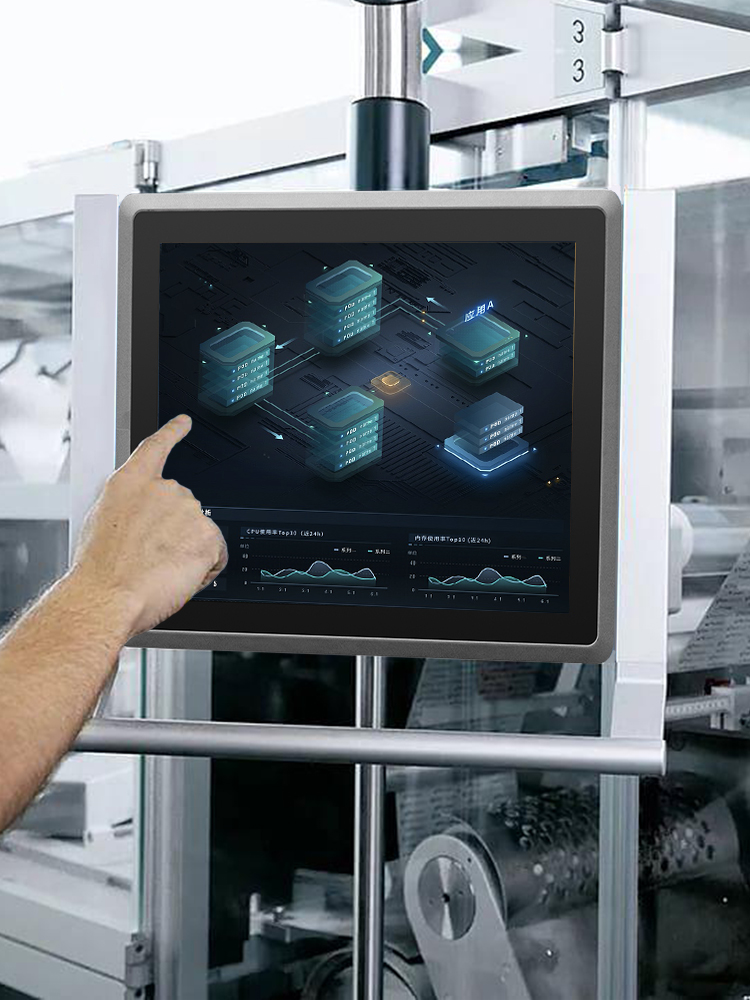
Evaluate on-site conditions before selection. For stamping, machining and welding stations, front panels with IP65 sealed structure are preferred to resist dust, coolant splashes and oil contamination. Fanless passive cooling structure reduces failure risks caused by blocked fans. For ESD-sensitive assembly and testing stations, select models with static dissipative treatment and dedicated ESD grounding terminals. Reinforced mechanical structure helps cope with vibration from presses and conveyor equipment.
Computing Performance Matching
Configure hardware according to task load. Basic HMI, production display and ESOP instruction terminals can adopt low-power processors. Terminals for data logging, multi-task MES interaction and quality recording require moderate memory and storage. Vision inspection and edge computing stations need higher computing capacity and wider bandwidth for image transmission. Solid-state storage is recommended for vibration-prone zones.
Interface and Communication Compatibility
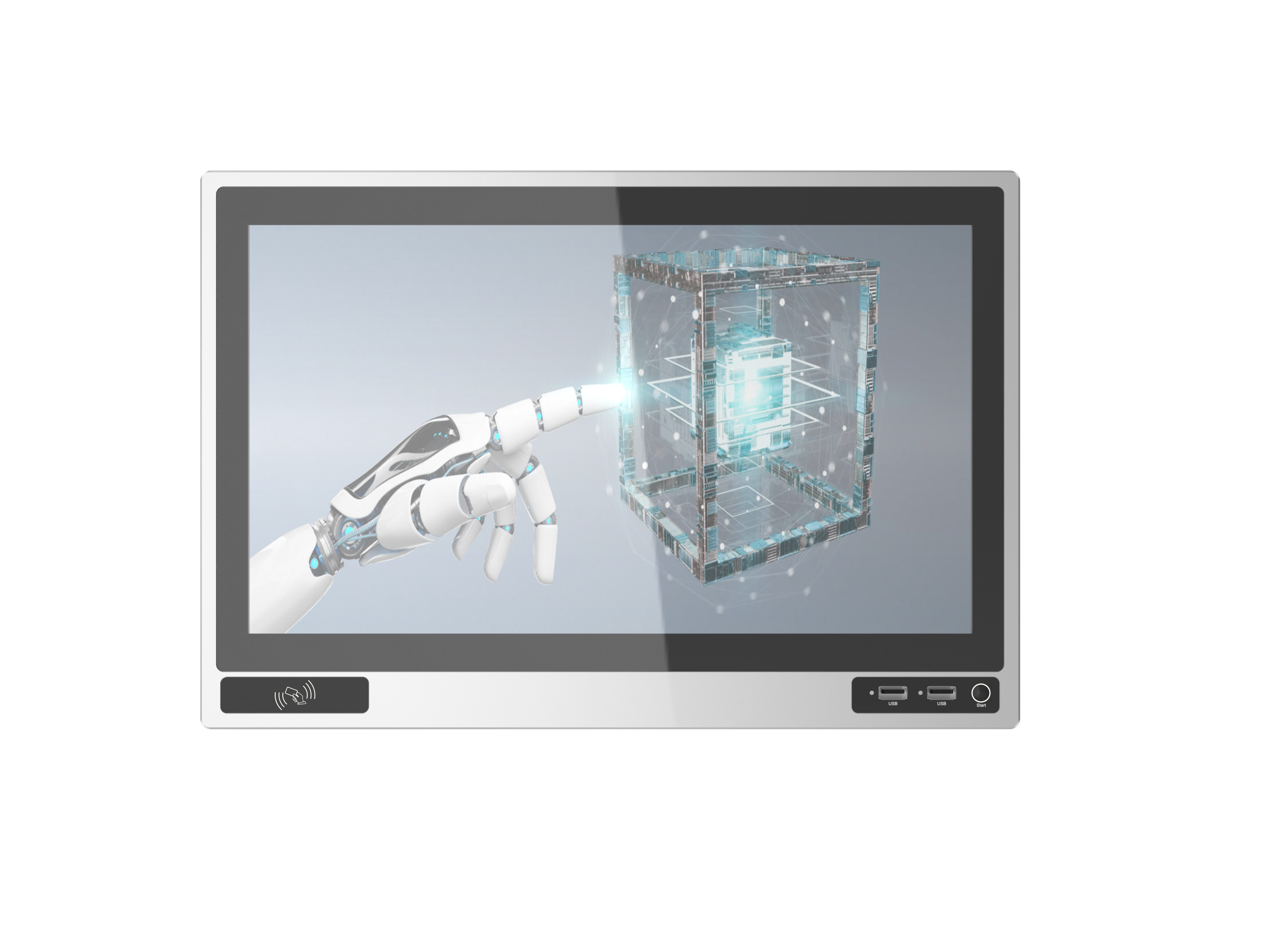
Reserve sufficient Gigabit Ethernet, USB, serial ports and digital I/O channels. Optional CAN bus interfaces are available for new energy auto parts. The equipment supports mainstream industrial protocols such as PROFINET, EtherNet/IP, OPC UA and Modbus. It can connect with PLC, scanners, RFID readers, torque tools, sensors and inspection instruments to exchange data with MES, QMS and SCADA platforms.
Touch and Display Performance
The touch module supports glove operation for workshop personnel. Touch parameters can be adjusted on site. Anti-glare display panels improve visibility under factory lighting. Different screen sizes are selected based on installation space and content display requirements.
Installation and Lifecycle
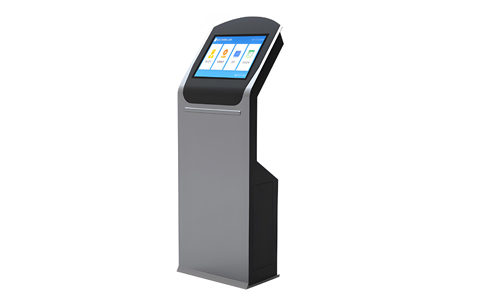
Multiple mounting options are supported, including panel mount, cantilever mount, wall mount and VESA mount. Unified product series across the whole line helps simplify spare parts management and maintenance. Prioritize products with long supply cycles to match the long project cycle of automotive supply chains.
Reference Configurations by Process Station
- Machining & stamping station: IP65, fanless, vibration-resistant, for machine parameter setting and production counting.
- Welding station: EMC optimized, shielding and filtering design, for welding parameter management and batch data recording.
- Assembly & tightening station: ESD option, rich I/O, for material verification, torque data capture and error-proofing control.
- Vision inspection station: Multi-GigE ports, higher computing power, for image acquisition and defect result recording.
- Central monitoring station: Larger display, multi-network port, for line status aggregation and abnormal alert display.
Deployment Notes
Classify stations by environmental risk and task load before configuration. Complete grounding and wiring following automotive workshop electrical specifications. Carry out joint debugging with field devices and upper management systems. Set regular inspection plans for sealing edges, cable connections and grounding points. The selected terminals can be integrated into existing production architecture.
This selection framework helps match suitable industrial panel PCs for diversified automotive parts processes, supporting stable on-site operation and full-process quality traceability.