Industrial Panel PC Inbound & Outbound Control Solution for WMS in Automated AS/RS Warehouse
News 2026-11-20
Automated three-dimensional warehouses (AS/RS) operate with stacker cranes, conveyor lines and continuous material transfer. Industrial panel PCs serve as on-site HMI terminals for WMS collaboration, supporting receiving verification, putaway instruction, picking confirmation, outbound review, inventory logging and data interaction with WCS, ERP and warehouse automation equipment. This article describes application framework, hardware selection criteria and reference configuration packages.
Application Overview in AS/RS Warehouse WMS Control
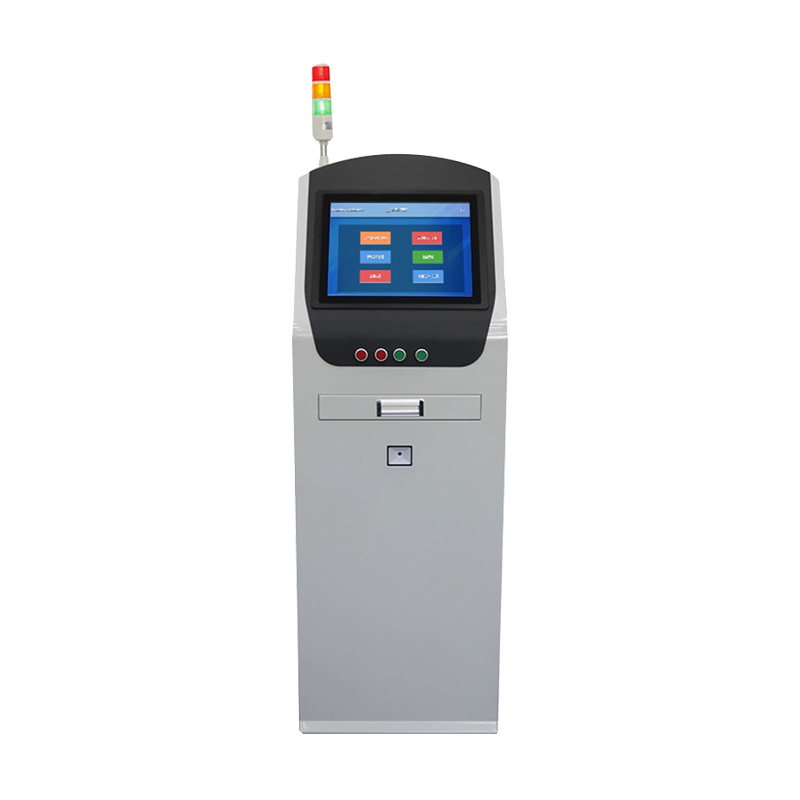
The panel PC connects with barcode scanners, RFID readers, label printers, PLC, stacker crane controllers and conveyor sensors. During inbound workflows, operators verify batch codes, record receiving information and receive assigned storage locations from WMS. For outbound workflows, terminals display picking tasks, confirm pallet information and complete shipment validation. Operation logs are stored for inventory reconciliation and traceability. Local data buffering helps maintain workflow continuity when network connection fluctuates. The terminals can be deployed at receiving docks, outbound review stations, stacker crane control cabinets and central monitoring desks. Typical application scenarios include raw material AS/RS, finished goods automated storage, cold storage stereoscopic warehouses and batch-controlled material warehouses.
Core Hardware Selection Criteria
1. Environmental Adaptability
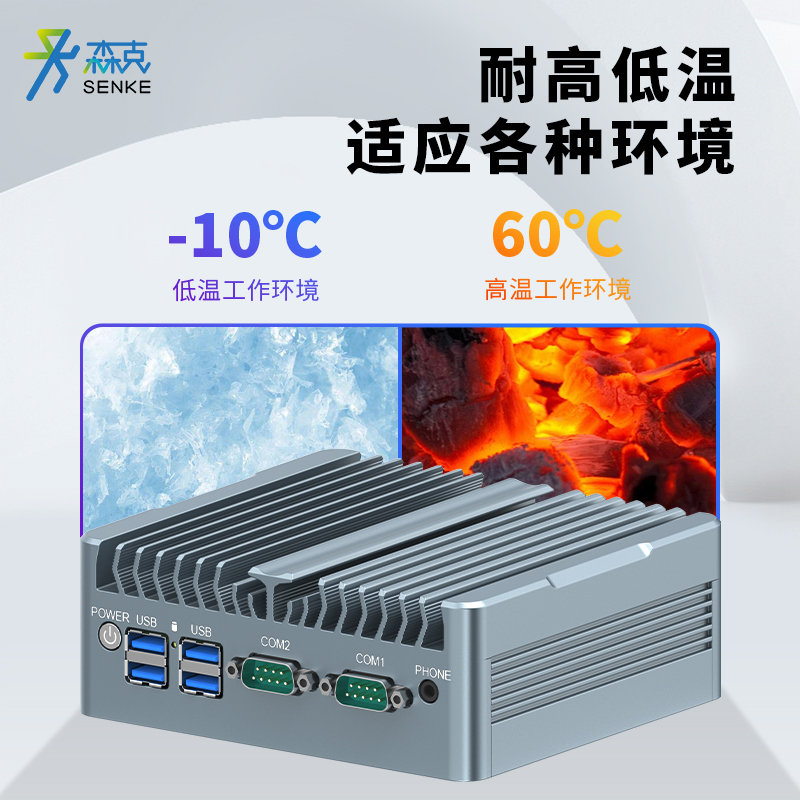
Fanless passive cooling structure reduces failure points caused by dust and vibration from stacker cranes and conveyors. The front panel can adopt IP65 protection rating against dust and accidental splashes. Aluminum alloy chassis supports structural stability and heat dissipation. SSD storage is recommended to reduce risks from recurring vibration. Wide operating temperature range adapts to normal warehouse or cold storage zones.
2. Display and Touch Configuration
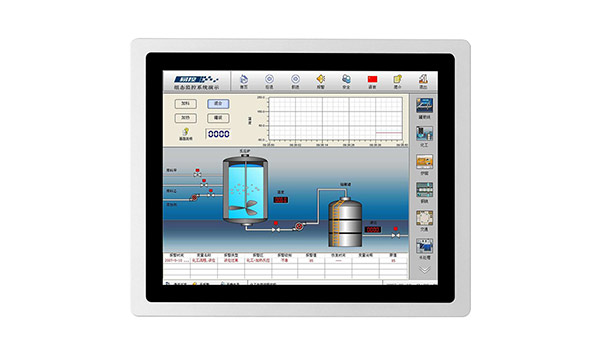
Screen sizes include 10.1-inch, 12-inch, 15-inch, 15.6-inch and 19-inch, selected according to station layout and viewing distance. High-brightness panels are optional for well-lit warehouse areas. Optical bonding can be applied to reduce fogging in high-humidity or low-temperature cold storage. Resistive touch supports glove operation for dock handling. Projected capacitive touch fits control rooms with frequent page switching and inventory query.
3. Computing Platform and Operating System
Two mainstream architectures are available to match different WMS software:
- X86 platform: Compatible with Windows and Linux distributions, suitable for WMS client access, local task cache, multi-protocol data exchange and multi-peripheral linkage. Processor options include Celeron, Core i3.
- ARM platform: Usually runs Android or Linux, suitable for lightweight code verification, simple task display and low-power continuous operation.
RAM and storage capacity can be configured on demand.
4. I/O, Network and Protocol Compatibility
Reserved interfaces connect common warehouse peripherals: barcode scanners, RFID readers, label printers, sensors, PLC and indicator lights. Available interfaces include USB, RS232/485 serial ports, Gigabit Ethernet, GPIO and DC power terminal. Dual LAN can be chosen for network redundancy and isolation between WMS and equipment control networks. Wi-Fi modules can be integrated for wireless backup transmission. Hardware supports common industrial protocols such as Modbus, OPC UA and MQTT for communication with WCS and automated equipment.
5. Installation Methods
Multiple mounting options adapt to AS/RS layout: panel embedded mounting inside control cabinets, VESA wall mounting, cantilever arm mounting and pole mounting at docks. Shock-absorbing gaskets can be added for positions near conveyors and stacker cranes. Cutout size, sealing gaskets and cable locking structure should be confirmed before installation.
Reference Configuration Packages for Different AS/RS WMS Stations
Light-duty Inbound / Outbound Check Station (Code scanning, simple batch confirmation)
- Platform: ARM or low-power Celeron X86
- RAM: 2GB / 4GB
- Storage: 32GB / 64GB SSD
- Touch: Resistive or capacitive
- Interfaces: 2×USB, 1×LAN, optional COM
- Suitable for: Receiving pre-check, simple outbound scanning stations
Standard WMS Control Terminal (Putaway assignment, picking confirmation, inventory query)
- Platform: Celeron / Core i3 X86
- RAM: 4GB / 8GB
- Storage: 128GB SSD
- Touch: Glove-supported resistive touch
- Interfaces: Multiple USB, 2×COM, dual LAN, optional Wi-Fi
- Suitable for: Main inbound dock, outbound review station, manual inventory spot-check
High-demand Central Control Terminal (Multi-station data convergence, task monitoring, stacker linkage)
- Platform: Core i3 X86
- RAM: 8GB / 16GB
- Storage: 256GB SSD or above
- Interfaces: Expanded serial ports, dual LAN, USB3.0, GPIO
- Suitable for: Central monitoring desk, stacker crane cabinet embedded terminals, batch management stations
Implementation and Integration Notes
- Confirm inbound/outbound workflow rules, batch management requirements and communication interfaces of the WMS and WCS system.
- Verify software compatibility with operating systems and drivers before hardware procurement.
- Check communication protocols and data formats when connecting with scanners, stacker controllers and upper ERP systems.
- Confirm power supply specification; wide DC input (9–36V) adapts to factory voltage fluctuation.
- Complete testing for task reception, data upload and local offline cache after installation.
- For batch deployment, unified hardware specifications simplify spare part management and routine maintenance. Customized I/O, touch type, screen size and shock-proof accessories can be arranged according to stereoscopic warehouse layout and process rules.
Summary
Fanless industrial panel PCs serve as dedicated inbound and outbound control terminals for AS/RS WMS systems. Dust-resistant and vibration-resistant structure, configurable communication interfaces adapt to long-hour automated warehouse operation. Matching hardware specifications with WMS, WCS and automation equipment helps support stable goods verification, task distribution and inventory data recording for automated stereoscopic storage.