Senke Explains Key Points for Industrial Display Technology Selection and Application Precautions
Product knowledge 2026-04-28
During the establishment of industrial automation systems, the selection of industrial display technology directly affects the operational efficiency and stability of the entire system. Different industries and scenarios have significant differences in the technical requirements for industrial displays. If the selection is improper, it not only affects the normal operation of the equipment but may also increase the maintenance costs in the future. Therefore, mastering the key points for industrial display technology selection and conducting scientific selection based on the actual needs of the application scenarios have become the focus of industrial enterprises and are also the core that Chinese industrial display factories such as Senke provide technical support for the industry.
The selection of industrial display technology should first clarify the environmental conditions of the application scenario, which is the core prerequisite. Environmental conditions mainly include temperature range, humidity range, dust content, vibration intensity, and electromagnetic interference intensity. For high-temperature and low-temperature environments, such as outdoor industrial equipment and refrigeration workshops, industrial displays with wide temperature design should be selected to ensure the stable operation of the equipment in extreme temperatures; for environments with a lot of dust and high humidity, such as mines and chemical workshops, sealed industrial displays should be chosen to enhance waterproof and dustproof performance and prevent dust and water vapor from entering the equipment and damaging components; for environments with strong vibration and strong electromagnetic interference, such as mechanical processing workshops and variable frequency equipment surrounding areas, industrial displays with anti-vibration and anti-interference design should be selected to ensure accurate display data and stable operation. Based on years of industry experience, Senke can provide reasonable selection references for enterprises according to different environmental scenarios.
Secondly, to determine the core performance parameters of the display based on the application requirements. In terms of display parameters, the appropriate resolution, display size, brightness and contrast should be selected according to the requirements of the usage scenario. In industrial scenarios, some scenarios require long-term viewing of the display, so products with high resolution, moderate brightness and clear contrast should be selected to reduce visual fatigue; for outdoor or bright light environments, high-brightness displays should be chosen to ensure clear visibility of the displayed content. In terms of touch control performance, if frequent operation is required, products with high sensitivity and fast response speed should be selected, and the appropriate touch type should be selected based on the environmental conditions, such as resistive touch control in dusty environments and capacitive touch control in intelligent terminal scenarios.
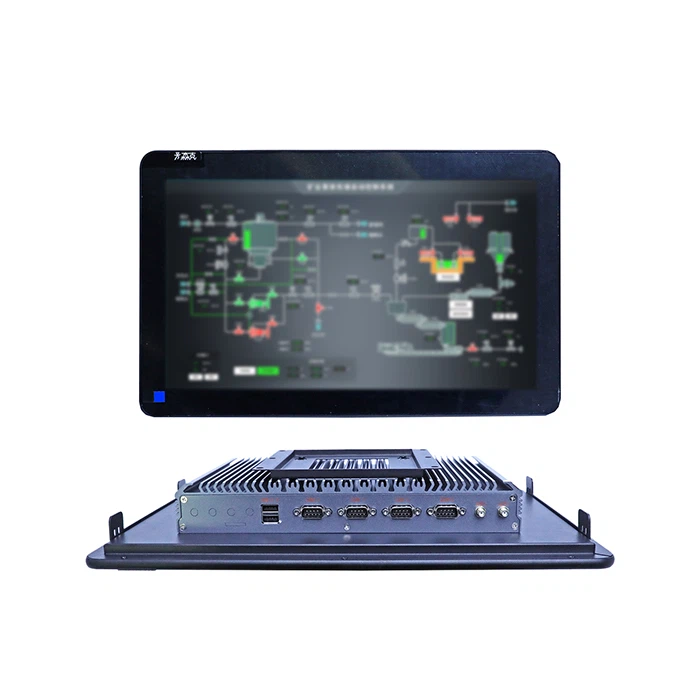
The selection of interface types is also an important part of industrial display technology selection. Industrial displays need to be connected to various industrial equipment such as PLC, frequency converters, sensors, etc., so the compatibility of the interface is crucial. Currently, the commonly used interfaces for industrial displays include RS232, RS485, HDMI, VGA, USB, etc. The functions and applicable scenarios of different interfaces are different. RS232 and RS485 interfaces are mainly used for communication with industrial control equipment to transmit control instructions and data; HDMI and VGA interfaces are mainly used for video signal transmission to ensure display quality; USB interfaces are used for external connection of input devices such as mice and keyboards to enhance operational convenience. When selecting, the industrial display with the corresponding interface should be chosen based on the interface type of the connected equipment. In some cases, products with multiple interfaces can be selected to enhance the compatibility and expandability of the equipment.
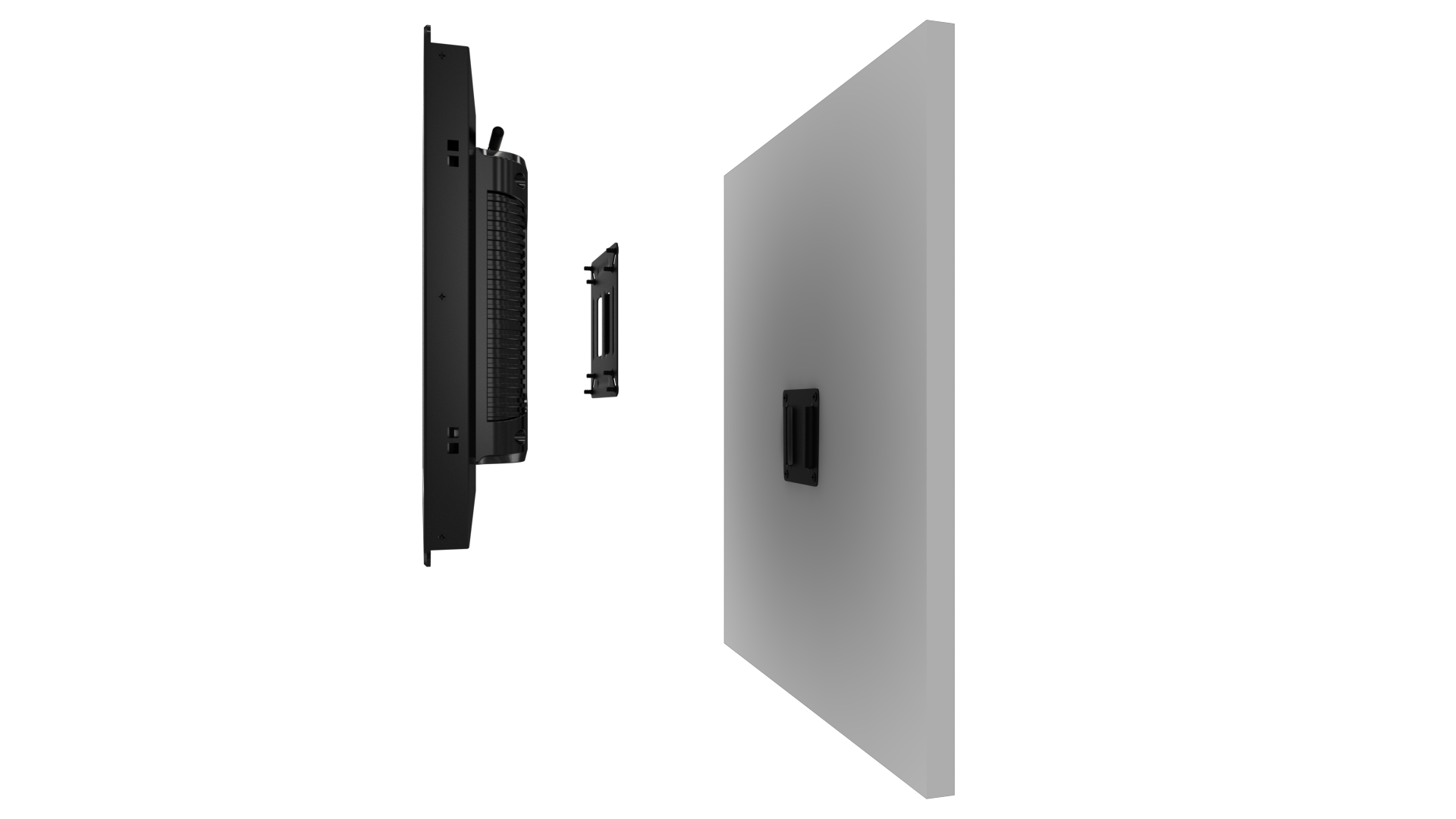
In addition to the selection of technical parameters, the installation method of industrial displays also needs to be selected based on the application scenario. The installation methods of industrial displays mainly include embedded, wall-mounted, desktop, and bracket types. Embedded installation is suitable for equipment integration scenarios, such as industrial control cabinets and intelligent terminal equipment, which can save installation space and improve the integration of the equipment; wall-mounted installation is suitable for scenarios on workshop walls and the sides of equipment, not occupying floor space; desktop installation is suitable for temporary operation and mobile operation scenarios; bracket installation is suitable for scenarios that require adjustment of display angles, such as outdoor operation terminals and large industrial equipment operation panels. In addition, the service life and maintenance cost of industrial displays are also factors that need to be considered during the selection process. In industrial scenarios, displays usually need to operate continuously for a long time, so products with a long service life and low failure rate should be chosen to reduce the maintenance costs in the future; at the same time, products with simple structures and easy disassembly should be selected to facilitate maintenance and inspection in the later stage. During the production process, Senke will also optimize the structural design and performance configuration of the products based on the selection requirements of different industries, providing enterprises with more suitable selection suggestions for specific scenarios.