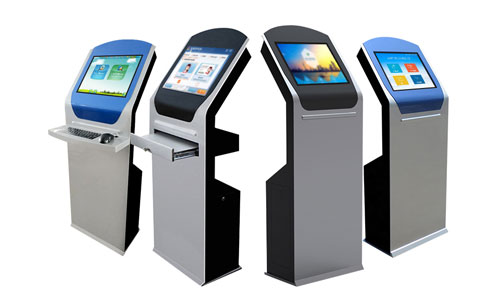
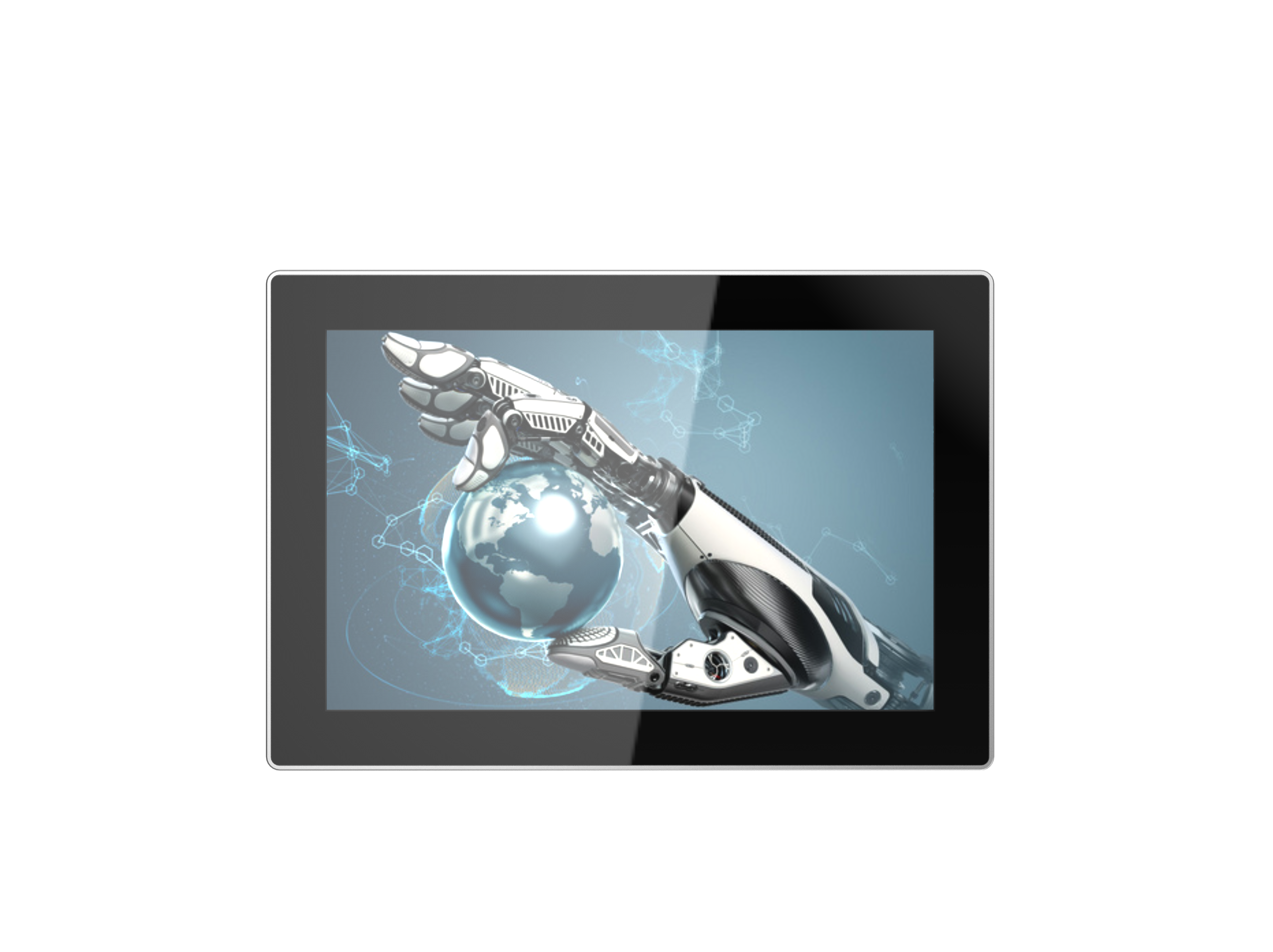
Supply chain collaboration drives the establishment of a solid industrial foundation for Senke’s China Industrial Personal Computer Factory.
Product knowledge 2026-05-06
The high-quality development of the industrial personal computer industry cannot be achieved without a complete, stable and controllable supply chain system. As the core production entity of industrial personal computers, the supply chain capabilities of the industrial personal computer factory directly affect the stability of product quality, the efficiency of mass production delivery, and the market competitiveness. Senke, as the Chinese industrial personal computer factory, has always attached great importance to supply chain construction. Based on local supply chain resources, it has established a “upstream collaboration, midstream control, downstream linkage” full-chain supply chain system. Through the optimization and integration of the supply chain, it provides solid guarantees for product research and development, production, and delivery, helping to promote the high-quality development of the industrial control industry.
In the production process of industrial personal computers, each link such as component selection, raw material supply, production manufacturing, and finished product delivery is closely related to the supply chain. Unlike ordinary commercial computers, industrial personal computers have extremely high requirements for the industrial-grade compatibility and stability of components. The quality of components directly determines the service life and operational reliability of the products. Senke’s China Industrial Personal Computer Factory deeply recognizes the core value of the supply chain and has abandoned the model of decentralized procurement and passive adaptation. It has actively integrated local supply chain resources and established long-term and stable cooperative relationships with upstream component suppliers. It has built a standardized and controllable supply chain system.
In the upstream collaboration aspect, Senke prioritizes the connection with high-quality domestic industrial-grade component suppliers, covering chips, displays, motherboard accessories, cooling components, protective materials, etc., and establishes strict supplier screening and assessment mechanisms. During the screening process, not only the product quality of the suppliers is focused on, but also their R&D capabilities, production scale, supply cycle, and after-sales guarantee capabilities are carefully examined to ensure that the suppliers can continuously provide components that meet industrial standards. At the same time, Senke has established a collaborative R&D mechanism with core suppliers, combining product research and development needs with the technical upgrade of components, to promote suppliers to optimize the performance and compatibility of components according to the adaptation requirements of industrial scenarios. For example, for the wide-temperature requirements of industrial scenarios, it jointly develops components that are adapted to wide-temperature environments; for protection requirements, it optimizes the sealing performance and anti-interference ability of components to achieve upstream technology collaboration and complementary advantages.
In the midstream production process, Senke’s China Industrial Personal Computer Factory, relying on its own production base, realizes the deep integration of the supply chain and production process to ensure the efficient and controllable production. The factory has established a complete raw material storage and management system, classifies and strictly tests the incoming components, and establishes a component traceability mechanism to ensure that each batch of components can be traced from the source, avoiding quality risks. At the same time, it combines production plans and market demands to optimize the raw material procurement plan, reasonably control inventory, and avoid raw material overstock and shortage, improving the turnover efficiency of the supply chain. During the production process, the factory implements standardized operations for component requisition, assembly, testing, etc., and establishes a real-time communication mechanism with upstream suppliers to promptly feedback component compatibility issues in the production process, ensuring that problems are resolved quickly and production progress is not affected.
In the downstream linkage aspect, Senke relies on the supply chain system to achieve precise connection with downstream customers, improving product delivery efficiency and scene adaptability. The factory combines the demand characteristics of different industry customers to optimize the supply chain response mechanism. For regular models, it establishes a regular inventory to ensure rapid delivery; for customized models, it collaborates with upstream suppliers to optimize component procurement and production processes, shortening the customization cycle and meeting customers’ personalized needs. At the same time, through the supply chain collaboration, Senke can promptly capture changes in downstream industry demands, quickly adjust product configuration and production plans to adapt to market development trends. For instance, with the rapid development of the intelligent manufacturing industry, higher requirements have been imposed on the interface expansion capabilities and data transmission speeds of industrial personal computers. Senke has quickly introduced new interface components and high-speed transmission chips through supply chain collaboration, optimized product design, and met the upgrading needs of the industry.
The autonomy and controllability of the supply chain is an important support for Senke’s Chinese industrial personal computer factory to cope with market fluctuations and ensure stable product supply. In recent years, the global supply chain environment has been complex and volatile. The supply of some imported components has been unstable and the prices have fluctuated significantly, which has had certain impacts on industrial personal computer production. Senke has leveraged the advantages of its local supply chain system to reduce reliance on imported components, prioritize the use of high-quality domestic components, effectively avoid risks brought by international supply chain fluctuations, and ensure the stability of product mass production and delivery. At the same time, the establishment of the local supply chain has also reduced component procurement and logistics costs, optimized product cost performance, and enabled Senke’s industrial personal computers to have stronger advantages in the market competition.
In the future, Senke’s Chinese industrial personal computer factory will continue to deepen supply chain collaboration, further optimize the supplier system, strengthen cooperation with upstream and downstream enterprises, and promote the digitalization and intelligence upgrade of the supply chain. By building a supply chain information sharing platform, real-time monitoring and efficient collaboration can be achieved in aspects such as raw material procurement, production progress, and product delivery, improving the response speed and control ability of the supply chain. At the same time, continuous investment in supply chain technology research and development will be made to promote technological upgrades in core links such as components and accessories, creating a more resilient, more efficient, and more controllable supply chain system, laying a solid foundation for the research and production of industrial personal computers, and helping the domestic industrial control industry achieve autonomy and high-quality development.