Scene empowerment, digital advancement —— The digital application practice of industrial all-in-one computers in China
Product knowledge 2026-03-17
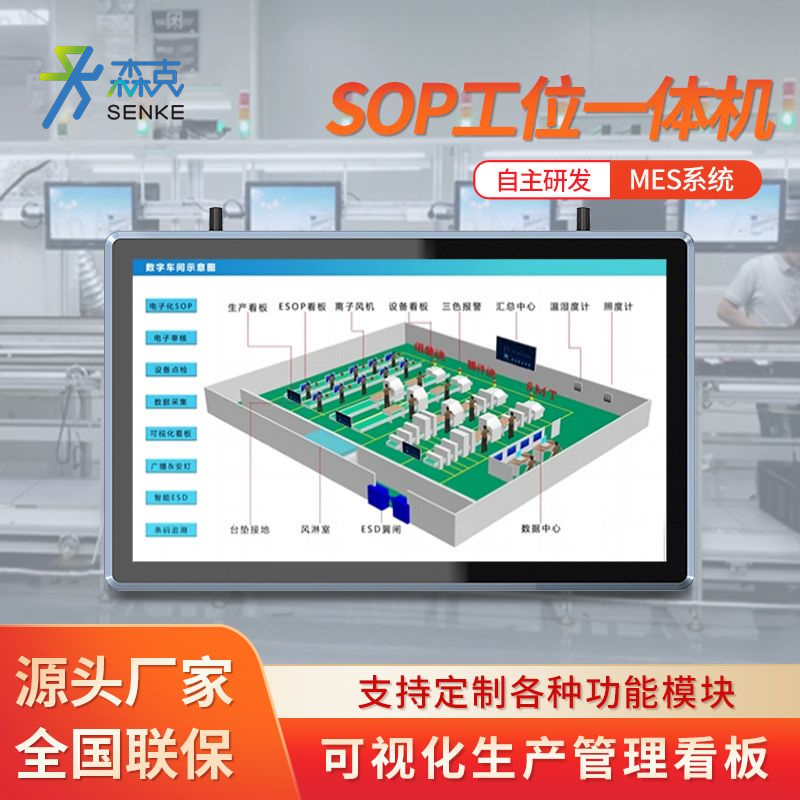
The core of the digital transformation in the manufacturing industry lies in achieving the digital and intelligent upgrade of the entire production process. As the key carrier for human-computer interaction and data transmission, industrial terminal equipment plays a significant role in this process. Chinese industrial all-in-one computers, based on the local industrial scenarios’ demands and with the characteristics of integrated design, strong scene adaptability and stable operation, have gradually integrated into various industry digitalization practices, becoming an important support for promoting the digitalization of industrial scenarios and facilitating the high-quality development of the manufacturing industry.
The core value of China’s industrial all-in-one computers lies in achieving a deep integration of industrial scenarios and digital technologies. Their design and development are always based on the actual needs of industrial production, distinct from the entertainment and office-oriented positioning of consumer all-in-one computers. Industrial production scenarios are complex and diverse, and the digital demands in different industries and different workstations vary significantly. Some focus on data collection and monitoring, some require precise equipment control, and some emphasize multi-device collaboration and interaction. Industrial all-in-one computers achieve compatibility with various digital scenarios through targeted product design and functional optimization.
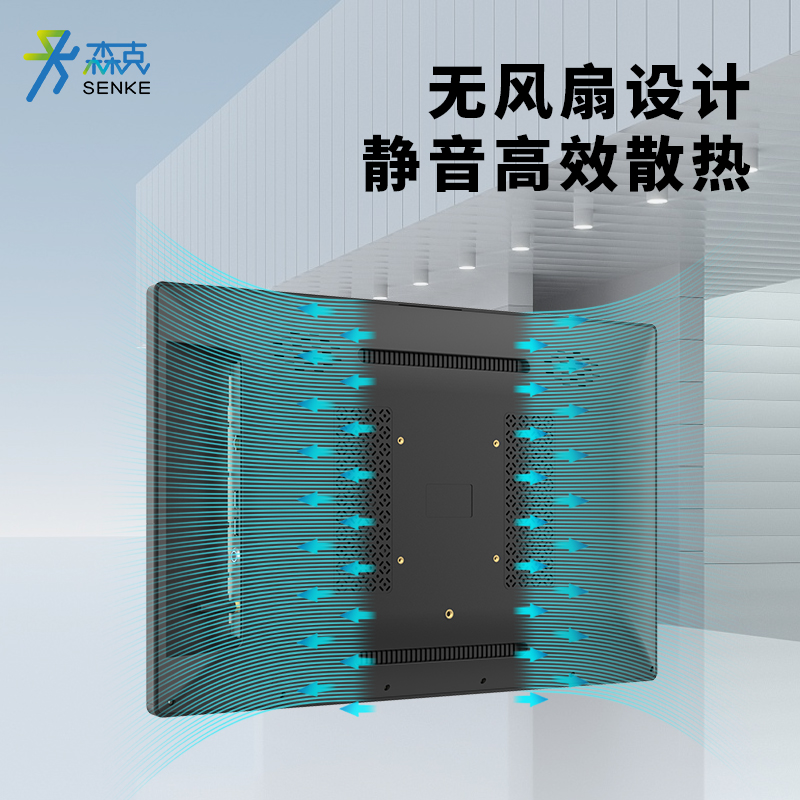
In the construction of core capabilities for digital applications, Chinese industrial all-in-one computers have particularly strengthened the capabilities of data interaction and collaborative adaptation. At the hardware level, the application of industrial-grade core components ensures the stable operation of the equipment in complex industrial environments such as high temperatures, dust, and strong electromagnetic interference, meeting the requirements for long-term continuous operation in the production site and providing a reliable guarantee for the continuous collection of digital data. At the same time, the rich industrial interfaces and network protocol support enable seamless connection with various industrial equipment such as PLC, sensors, servo drives, as well as industrial management systems such as MES, ERP, and SCADA, achieving real-time collection, transmission, and display of production data, breaking the problem of data islands in traditional industrial scenarios.
In terms of software and system compatibility, industrial all-in-one computers in China generally come equipped with industrial-specific operating systems, which have strong compatibility and stability. They can be adapted to various industrial software and customized programs according to the digitalization requirements of different industries. Some products incorporate simple data processing functions, which can conduct basic analysis and abnormal warning on the collected production data, providing precise decision-making references for on-site operators and helping to achieve digitalized control of the production process. In addition, the user-friendly interface design reduces the learning cost for operators and promotes the popularization of digitalized operations in industrial scenarios.
From the perspective of digital application practice, industrial all-in-one computers in China have penetrated into multiple sub-scenarios in the manufacturing industry and related industrial fields, achieving a two-way boost of scene empowerment and digital advancement. In the automated manufacturing scenario, as the digital terminal at the production site, industrial all-in-one computers undertake functions such as setting process parameters, monitoring the production process, and providing feedback on equipment status. By real-time collection of production data, they enable digital control of the production process, helping enterprises optimize production efficiency, reduce production errors, and promoting the upgrading of automated production lines to digital and intelligent levels.
In the smart logistics and warehousing scenarios, industrial all-in-one computers are equipped with warehousing management systems to achieve digital recording and control of various processes such as goods entry, exit, and inventory checking. By interacting with scanning devices, AGV carts, etc., it enhances the digitalization level of warehousing operations, reduces errors caused by manual operations, and improves the efficiency of warehousing management. In the environmental protection and energy digitalization scenarios, industrial all-in-one computers are used to collect real-time operation data of environmental protection equipment and energy equipment. Through digital interfaces, they display the operating status and data changes, providing data support for environmental control and energy optimization, and helping to achieve digital development with green and low-carbon characteristics.
In specialized fields such as rail transportation, medical equipment, and food and pharmaceuticals, Chinese industrial all-in-one computers have also achieved precise adaptation of digital applications based on the characteristics of the specific scenarios. In the rail transportation scenario, they are adapted to complex environments such as vibrations and strong light, and are used for displaying dispatch data and monitoring equipment status to ensure digital control of rail transportation operations; in the medical equipment scenario, they comply with industry-related standards and are used for digital display and operation of medical data, helping to upgrade medical equipment to a digital level; in the food and pharmaceuticals scenario, by digitally controlling production process parameters, they ensure the stability and traceability of product quality.
The coordinated development of the local industrial chain has provided strong support for the digital application practice of industrial all-in-one computers in China. Upstream component enterprises continuously optimize the performance and compatibility of core components, providing a basic guarantee for the digital capabilities of the equipment; midstream equipment research and production enterprises, relying on a deep understanding of the digitalization demands of domestic industrial scenarios, continuously optimize the digital functions and scene adaptability of their products, and launch products that meet the needs of different industries; downstream application enterprises, through practical application feedback, promote further iterations of the products, forming a virtuous cycle of “demand – research – application – optimization”.
Currently, the digital application of industrial all-in-one computers in China is still in a stage of continuous deepening. There is still room for improvement in the digital adaptation capabilities for some specific scenarios, and the integration with high-end industrial software and cutting-edge digital technologies needs to be strengthened. The independent research and development capabilities of core components also require further breakthroughs. However, with the continuous advancement of digital transformation in the manufacturing industry and the increasing investment in research and development by local enterprises, the digital functions of industrial all-in-one computers will be continuously optimized, and the scope of scenario adaptation will be further expanded.
In the future, Chinese industrial all-in-one computers will continue to focus on the digitalization demands of industrial scenarios, continuously advance technological iterations and product optimizations, deepen the integration with digital technologies such as industrial internet and edge computing, and further enhance data collection, processing and collaboration capabilities. Leveraging the advantages of the local industry, catering to the actual needs of digital transformation in various industries, they will achieve digital empowerment in more specialized scenarios, helping the manufacturing industry realize the digitalization of the entire process, promoting the advancement of industrial digitalization, and injecting lasting impetus for the high-quality development of China’s manufacturing industry.