How to choose the appropriate operating system for an industrial control all-in-one computer?
Product knowledge 2026-02-05
When selecting an operating system, it is necessary to consider multiple factors such as specific application requirements, device performance, and industrial environment comprehensively. Here are some key factors to keep in mind when making the choice:
Application Requirements and Functions
When choosing an operating system, the first step is to clearly define the application requirements of the device. If a powerful graphical interface, complex computing capabilities and highly integrated applications are needed, Windows or Android systems might be more suitable; if the application focuses on low resource consumption and real-time performance, Linux or RTOS might be a better choice.
Equipment performance and resource requirements
The hardware configuration of industrial control all-in-one machines will affect the choice of operating systems. The Windows system consumes relatively more resources and requires stronger hardware support; while Linux and RTOS have advantages in resource utilization and system stability, and are suitable for scenarios with higher performance requirements.
Real-time requirements
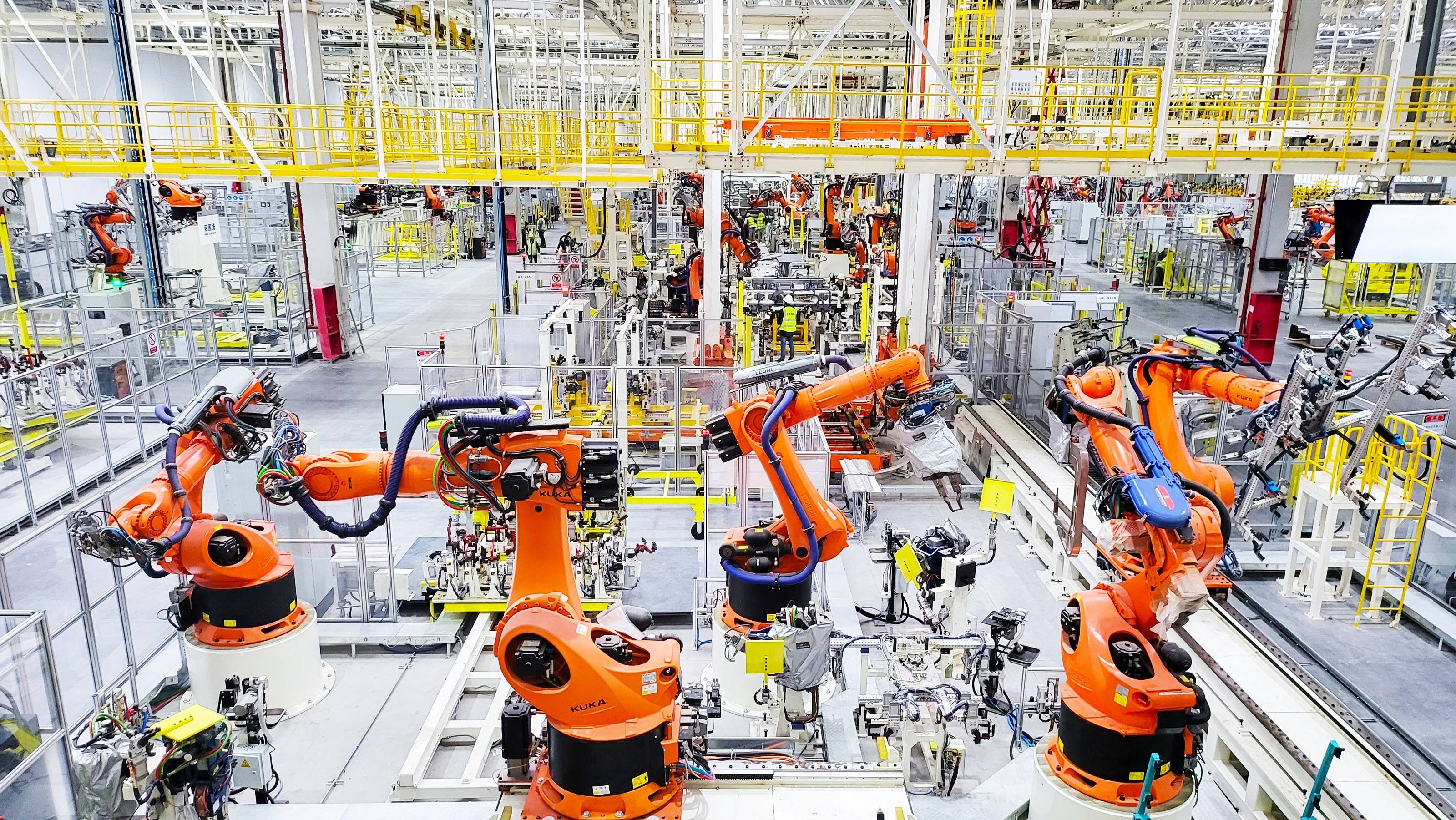
If the control system of the equipment has strict requirements for real-time performance (such as in machine vision, industrial robot control, etc.), then an RTOS (real-time operating system) would be a more suitable choice. It can ensure that various tasks are completed within the specified time, meeting the high requirements for timeliness in industrial control.
Software Development and Compatibility
Industrial control all-in-one machines usually require the integration of multiple external devices and control systems, so the compatibility of the operating system and the support for development tools are of great importance. The Windows system supports a variety of ready-made industrial software and tools, making it suitable for applications that require rapid integration; while the Linux system is more suitable for scenarios that require high customization and development.
Safety and stability
The stability and security of industrial control integrated machines are of utmost importance. Linux and RTOS usually have strong stability and anti-interference capabilities, making them suitable for industrial environments that require long-term and round-the-clock operation; while Windows and Android operating systems need to enhance system security measures and protection mechanisms to guard against risks such as network attacks or virus intrusions.