Industrial Panel PC Selection Guide for Automated Grinding Machines
Product knowledge 2026-11-28
Automated grinding equipment includes surface grinders, cylindrical grinders, centerless grinders and precision internal grinders. The working area is exposed to grinding dust, coolant splashes, continuous vibration and electromagnetic interference from spindle drives and servo systems. Industrial panel PCs function as HMI operation terminals and process data acquisition units, connecting grinding controllers, position sensors, wheel detection modules, barcode readers, PLC and MES systems. They support grinding recipe management, dressing parameter adjustment, dimensional data recording, real-time axis status monitoring and production data upload.
Core Selection Considerations
On-site Environmental Adaptation
Fanless fully sealed structure reduces grinding dust and coolant vapor ingress. IP65 front panel provides protection against splashing grinding fluid and metal debris. Vibration-resistant hardware design adapts to continuous vibration generated during grinding cycles. EMC design improves tolerance to electromagnetic noise from high-speed spindles, servo drives and inverters. Wide temperature range suits stable long-running operation inside machining workshops.
Computing and Software Compatibility
Hardware configurations can be selected according to grinding precision requirements. Basic configurations fit recipe calling, parameter adjustment, alarm checking and production counting. Higher-performance configurations support multi-point dimensional data collection, grinding curve visualization and wheel wear trend analysis. It supports mainstream operating systems and industrial protocols such as OPC UA, Modbus TCP and EtherCAT.
Interface and Peripheral Expansion
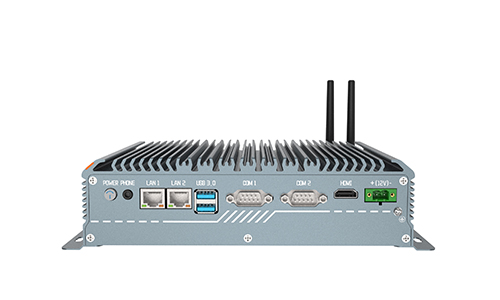
Multiple Gigabit Ethernet ports support network isolation between machine control links and factory management links. RS232, RS485 and USB interfaces reserve connections for barcode scanners, micrometer gauges, measuring probes and external storage. Isolated serial ports are optional to reduce ground loop interference.
Touch and Display
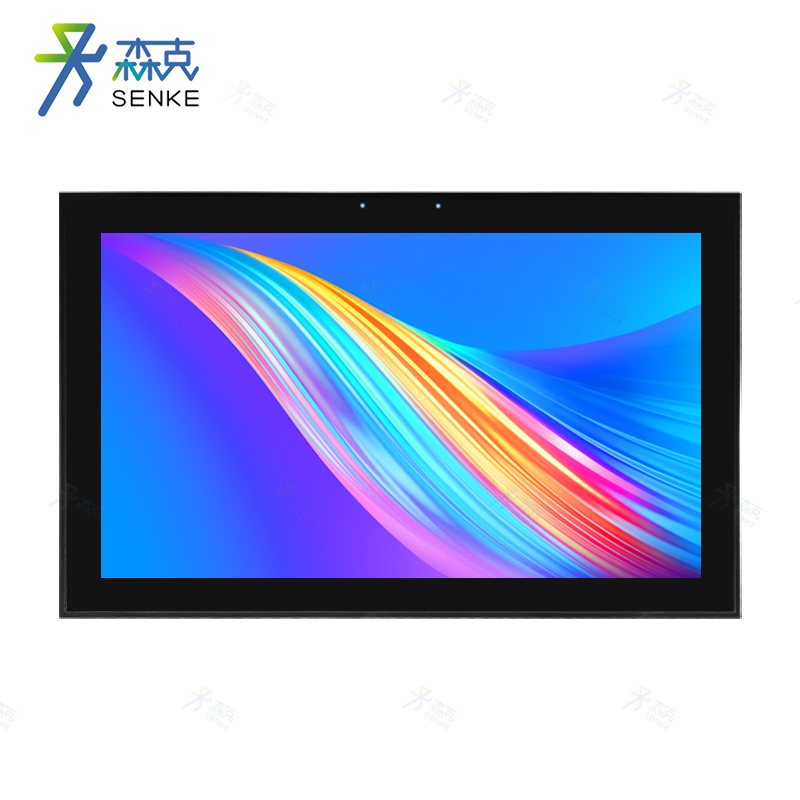
Glove touch function supports operation with oil-resistant work gloves. High-definition screen displays grinding drawings, tolerance values and axis coordinate data clearly. Anti-glare coating reduces reflection under workshop lighting. Flush front panel simplifies regular cleaning of grinding dust and coolant stains. Available installation options include panel mount, cantilever mount and cabinet embedded mount.
Local Cache and Data Storage
The terminal locally stores grinding records, dressing logs, dimensional inspection data and fault history. It continues recording data when the network connection with upper management systems is interrupted. Data synchronizes automatically after network recovery. Historical records can be retained for quality traceability and equipment maintenance.
Typical Application Scenarios
- Grinder Side HMI Terminal: Select grinding programs, adjust feed speed and spindle parameters, monitor running status.
- Wheel Dressing Management Station: Record dressing parameters, track wheel service life and remind replacement.
- In-process Dimension Acquisition Station: Collect real-time measurement data and judge whether workpieces meet tolerance requirements.
- ESOP Electronic Workstation: Display grinding process sheets, clamping steps and inspection standards.
- Quality Inspection Station: Bind workpiece batch codes with grinding parameters and measurement results.
- Central Monitoring Workstation: Show running status of multiple grinding machines, OEE statistics and alarm overview.
Integration Notes
Confirm communication protocols and data formats with grinding controller and MES suppliers in advance. Complete continuous stability testing under dusty, vibrating and coolant splash conditions before formal commissioning. Set differentiated access rights for operators, technicians and administrators. Configure regular backup of grinding programs and inspection logs.