Industrial Panel PC HMI Control Solution: Oil-Resistant and Anti-Interference for Automotive Welding Workshops
News 2026-11-23
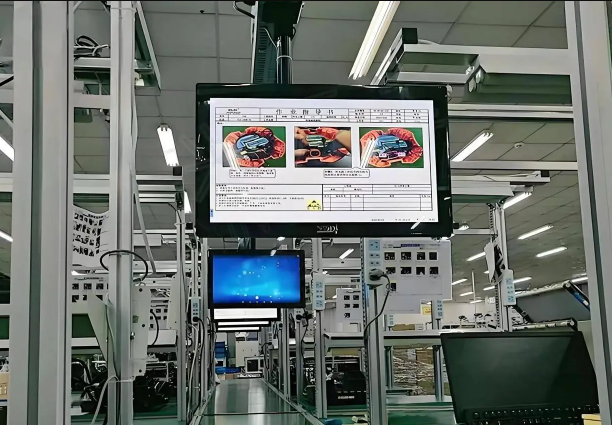
Automotive welding workshops present harsh operating conditions. Welding power supplies, robotic arms and servo systems produce electromagnetic noise and pulse interference. Oil mist, welding spatter and conductive metal dust are widespread in these zones. General-purpose display terminals are prone to touch anomalies, communication disconnection and system reset when deployed in such environments. This solution uses industrial panel PCs as HMI terminals within welding stations, supporting on-site operation, parameter configuration, equipment status monitoring and data interconnection.
Key Selection Criteria
Oil and Contaminant Protection
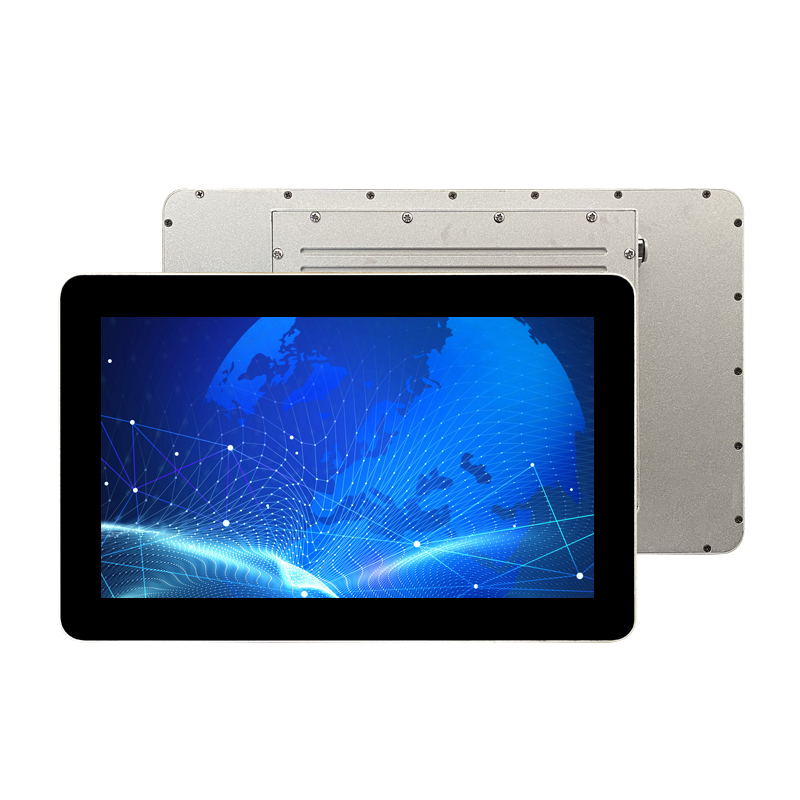
The front panel features a sealed construction rated IP65. An oleophobic surface treatment reduces oil adhesion and simplifies routine cleaning. Chemically strengthened glass offers resistance against scratches caused by welding slag and metal debris. The one-piece aluminum alloy housing limits ingress of oil mist and dust. Sealed connectors are adopted for external interfaces.
Anti-Interference and EMC Performance
The unit incorporates shielding structures and signal filter circuits. Its touch controller supports frequency hopping and digital noise filtering, reducing false touch triggers and coordinate drift induced by arc interference. The power module is equipped with surge and ESD protection, compliant with industrial EMC standards. It maintains reliable communication while operating near high-current welding equipment.
Touch Compatibility
The touch screen supports operation while operators wear welding gloves. Staff can adjust welding parameters, recall welding programs and acknowledge alarms without removing protective gloves. Touch parameters can be adjusted to match site conditions.
Computing and Connectivity
The industrial panel PC is designed for continuous long-run operation. It is equipped with Ethernet, RS485, USB and other interfaces, compatible with common industrial protocols including PROFINET and Ethernet/IP. It can connect with PLCs, welding controllers, MES platforms and field sensors for data acquisition and transmission.
Thermal Design and Mounting
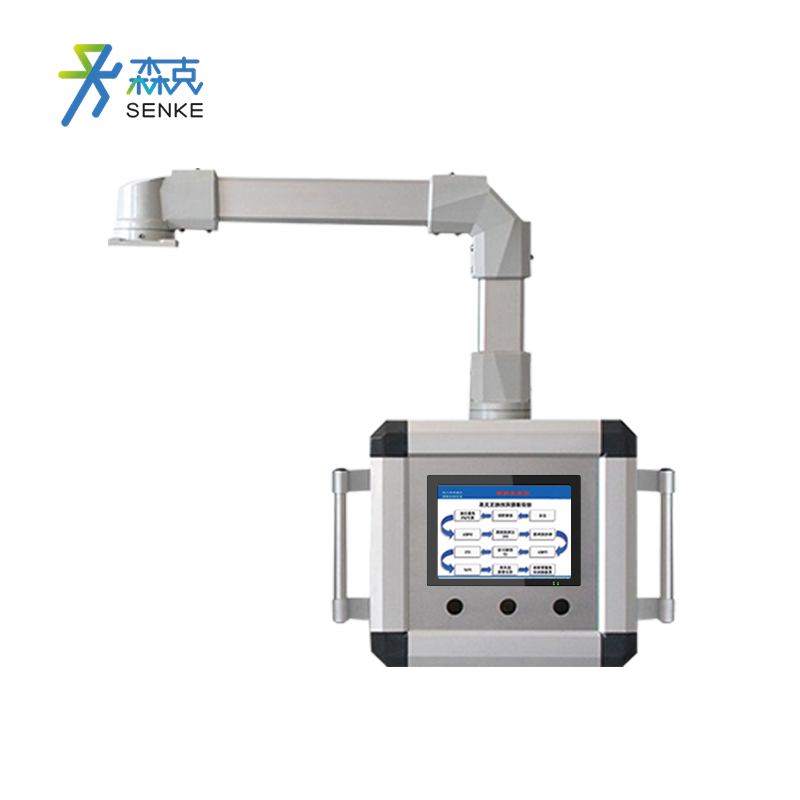
Fanless passive cooling eliminates fan-related failure points and prevents oil and dust from being drawn into the enclosure. Multiple mounting methods are available, such as panel mounting, cantilever mounting and wall mounting, suitable for welding cell guards and operation posts. Reinforced mechanical structure accommodates vibration generated by robotic motion.
Reference Configurations for Different Stations
- Robotic welding cell HMI: Medium-sized display, multiple network ports, high EMC rating, used for program selection, real-time status viewing and fault reset.
- Manual welding station terminal: Compact form factor, glove-operable touch, for parameter input and welding record submission.
- Central monitoring terminal: Larger display, for aggregating status data from multiple welding units and synchronizing production information.
Deployment Considerations
Assess the placement of welding power sources and cable routes during layout planning to maintain adequate separation for noise mitigation. Grounding implementation should follow local electrical codes. Verify touch responsiveness and communication stability under actual welding cycles. Establish regular maintenance procedures for cleaning the front surface and checking sealing edges. Integration can be carried out with existing production management systems.
This solution delivers a stable HMI interaction layer for automotive welding lines, supporting process control and visibility of production data.