Daily Operation and Maintenance of Industrial Control Terminals: Characteristics of the Structure Design of Senke Touchscreen Computers
Product knowledge 2026-05-11
For control terminals used in industrial sites, stability and ease of maintenance are the key factors to be considered during the selection process. Unlike ordinary commercial equipment, industrial scene devices are often in continuous operation for long periods, with high levels of dust, significant temperature differences, and frequent usage. The structural design of the equipment directly affects the workload and service life of subsequent maintenance.
Senke industrial touchscreen computers have made multiple optimizations in their structural design to meet the requirements of industrial site maintenance. The entire machine adopts an integrated sealed body, reducing the number of exposed interfaces and openings, which reduces the probability of dust and moisture entering the machine from the structural level, avoiding common faults such as system crashes, restarts, and touch control failures caused by dust accumulation and moisture.
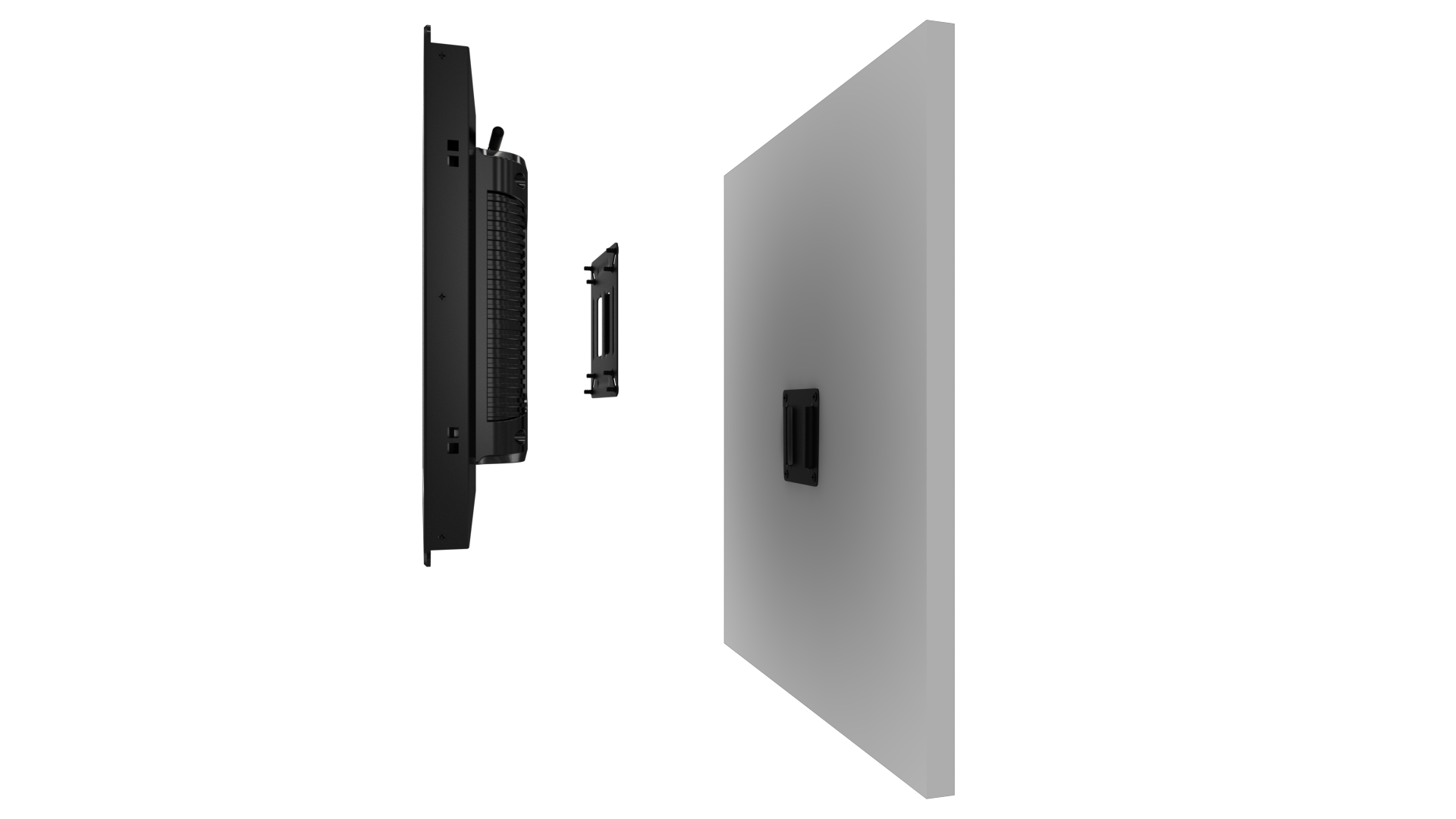
The heat dissipation structure abandons the traditional fan solution and adopts a metal shell heat dissipation mode for the entire machine. It relies on the large area of the metal shell on the body to conduct and dissipate internal heat. There are no rotating components in the structure, and there are no problems such as fan aging, dust accumulation, jamming, or abnormal noise. This reduces the number of easily worn components and also eliminates the need for regular disassembly and fan cleaning, saving maintenance steps.
The internal components of the body are selected to be suitable for industrial environments, with good tolerance to temperature fluctuations, which can adapt to the temperature changes in workshops of different seasons. It can start normally in low-temperature environments and maintain stable operation in high-temperature conditions, reducing operational abnormalities caused by temperature changes. The frame of the body is reinforced to cope with on-site handling, minor collisions, and vibrations caused by equipment operation, maintaining the stability of the entire machine structure.
The touch panel selects materials suitable for industrial high-frequency operations, with a wear-resistant and scratch-resistant surface, suitable for the use scenario of wearing thin safety gloves in the workshop. The touch sensing response is smooth, and there is no local failure phenomenon even after long-term high-frequency clicking. The panel has a regular fitting process and good edge sealing performance, which can prevent fine dust and oil from seeping into the interior through the gaps.
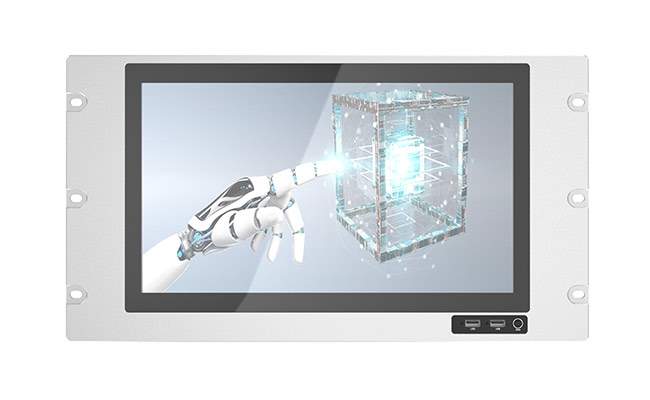
The external interface layout is designed in a centralized and regular manner, with adequate protection for the interface positions. The wiring can be plugged and unplugged without loosening, suitable for long-term fixed wiring use. The overall wiring of the machine is simple, and after installation, the wiring on-site is neat, facilitating later line inspection and equipment maintenance, and reducing the difficulty of maintenance personnel. The overall structure of the model is simple, with no redundant components, and the fault location is clear, making the maintenance process more straightforward.
For enterprise equipment management, industrial control terminals not only need to consider the initial purchase compatibility, but also the long-term maintenance costs and usage stability. Senke touchscreen computers rely on a reasonable body structure, heat dissipation layout, sealing process, and reinforcement design to adapt to the long-term continuous use scenarios of industrial sites. The maintenance burden is relatively light, and it can meet the basic requirements for stable operation of most industrial control positions.