Leading Domestic Industrial Touch Computer Companies: Analysis of Technological Accumulation and Market Layout
Product knowledge 2026-03-26
In the wave of intelligent manufacturing and industrial digital transformation, industrial touch computers, as the core carriers of human-machine interaction, have become the key hubs connecting production equipment, data systems, and operators. In recent years, domestic industrial touch computer enterprises have gradually broken the long-term dominance of international brands in the mid-to-high-end market by leveraging their continuous technological deepening, full industrial chain layout, and localized service advantages. They have achieved large-scale applications in core fields such as power, rail transit, intelligent manufacturing, and military industry. This article focuses on domestic leading enterprises and analyzes their development paths and core competitiveness from the perspectives of technological accumulation and market layout.
I. Technological Accumulation: Laying a Solid Foundation for Industrial Reliability
The core competitiveness of leading domestic industrial touch computer enterprises stems from their in-depth understanding of the strict demands of industrial scenarios and long-term technological accumulation. They have built technological barriers around four key directions: hardware reliability, touch interaction, system compatibility, and customized R&D, thereby creating differentiated advantages.
(1) Industrial-grade Hardware Design: Robust Capabilities for Extreme Environments
Industrial settings often feature complex conditions such as high temperatures, humidity, dust, oil, strong electromagnetic interference, and vibration and shock, demanding extremely high stability from equipment. Leading enterprises optimize their underlying hardware design to ensure stable operation of their products in extreme environments.
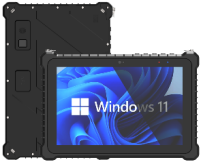
- Wide Temperature Range and Protection Technology: Mainstream products operate within a temperature range of -20°C to 60°C, with some specialized models extending to -40°C to 70°C, meeting the demands of harsh outdoor and special scenarios. The protection level generally reaches IP65 or above, and some products achieve full-sealed IP67 protection, passing strict certifications such as GJB and MIL-STD-810G, with features including water resistance, dust resistance, salt fog resistance, and vibration resistance.
- Heat Dissipation and Structural Design: Utilizing fanless passive cooling and all-metal sealed structures to avoid fan dust accumulation and failure, while optimizing internal air channels and applying heat-conductive materials to balance heat dissipation efficiency and structural stability. The chassis is made of high-strength aluminum alloy or engineering plastics, providing shock and crush resistance suitable for production lines, vehicles, and other vibration scenarios.
- Core Component Selection and Self-research: The main control platform is compatible with both x86 and ARM dual platforms, supporting processors from Intel, AMD, Phytium, and Zhaoxin, both domestic and international, to meet different computing power and domestication requirements. Key components such as touch control chips, display drivers, and power management are gradually self-developed or replaced with domestic alternatives, reducing supply chain dependence and enhancing product consistency.
(II) Touch and Display Technology: Balancing Precision and Scene Adaptability
Touch interaction is the core function of industrial touch computers. Leading enterprises focus on the iteration of Projected Capacitive (PCAP) technology while optimizing display performance to meet diverse operational requirements.
- Touch Technology Upgrade: Mainstream products adopt 10-point PCAP multi-touch technology, with response times reduced to within 15 milliseconds, touch accuracy reaching ±0.5mm, and support for glove and wet hand operation, adapting to complex operational habits in industrial settings. Some high-end models integrate pressure sensing and gesture recognition functions to enhance interaction efficiency.
- Display Performance Optimization: High-brightness LCD panels are used, with brightness reaching 1000-1200 nits, combined with AR anti-reflective coatings and optical-grade full lamination processes to solve the problem of poor visibility in strong outdoor light. The viewing angle covers over 170°, ensuring clear images from different operational angles, while supporting wide color gamut and high contrast ratio displays, suitable for data visualization, machine vision, and other scenarios.
(3) System and Ecological Adaptation: Unblocking the Industrial Digitalization Chain
Industrial touch computers need to be seamlessly integrated with industrial systems such as PLCs, MES, and SCADA. Leading enterprises achieve this through in-depth system adaptation, interface expansion, and protocol compatibility, thereby building a complete industrial interconnection ecosystem.
- Multi-system Compatibility: Fully support Windows, Linux, Android, and domestic operating systems such as Kylin and UOS, meeting the requirements of independent innovation and control in the information technology application innovation field. Some enterprises develop their own embedded real-time operating systems to reduce system power consumption and enhance operational stability.
- Interface and Protocol Expansion: Standardly equipped with gigabit Ethernet ports, multiple serial ports, USB, HDMI/VGA interfaces, support dual Ethernet port redundancy and POE power supply, and can flexibly integrate 5G, GPS, Wi-Fi 6 and other wireless modules. Compatible with mainstream industrial bus protocols such as Modbus, Profinet, and EtherNet/IP, enabling rapid data interaction with on-site equipment.
- Integration of Edge Computing and AI: Equipped with NPU acceleration modules, and powered by high-performance processors such as Kirin 9000S and Phytium, the single-device AI computing power can reach 6-50 TOPS, supporting intelligent applications such as machine vision quality inspection, predictive maintenance, and AR remote collaboration, promoting the transformation of industrial terminals from “interaction tools” to “intelligent nodes”.
(4) Customized R&D Capability: Meeting the Specific Needs of Segmented Scenarios
The industrial scene is characterized by fragmentation. Leading enterprises, relying on their mature R&D systems, offer full-chain customized services from hardware to software, thereby forming a differentiated competitive advantage.
- Customization of Size and Installation: Covering the full range of sizes from 10.1 to 55 inches, it supports various installation methods including embedded, wall-mounted, desktop, and vehicle-mounted, adapting to different installation scenarios such as control cabinets, production line operation consoles, and AGV dispatching.
- Function Customization: Tailored for industries like power, rail transit, and military, it provides exclusive features such as wide-temperature reinforcement, shock and interference resistance, compatibility with domestic innovation, and dual-system redundancy. For instance, rail transit models pass vibration tests and are suitable for high-speed rail and subway maintenance dispatching; military models achieve information encryption and anti-leakage security protection.
- Rapid Response Mechanism: By establishing local R&D teams, the customization cycle is shortened. On average, the period from demand assessment to solution implementation is 30% to 50% shorter than that of international brands, meeting the rapid iteration production needs of domestic enterprises.
II. Market Layout: Comprehensive Expansion, Deepening Local and Global Markets
Domestic leading enterprises, relying on their technological advantages, have established a three-dimensional market layout of “deepening the local market + industry penetration + global expansion + industrial chain synergy”, gradually increasing their market share and brand influence.
(1) Domestic Market: Focusing on Core Industries and Building Scenario Barriers
The domestic market is the core territory for domestic industrial touch computer enterprises. Leading companies, in line with national strategies and industrial upgrading demands, have deeply laid out in high-value industries, forming a stable customer base.
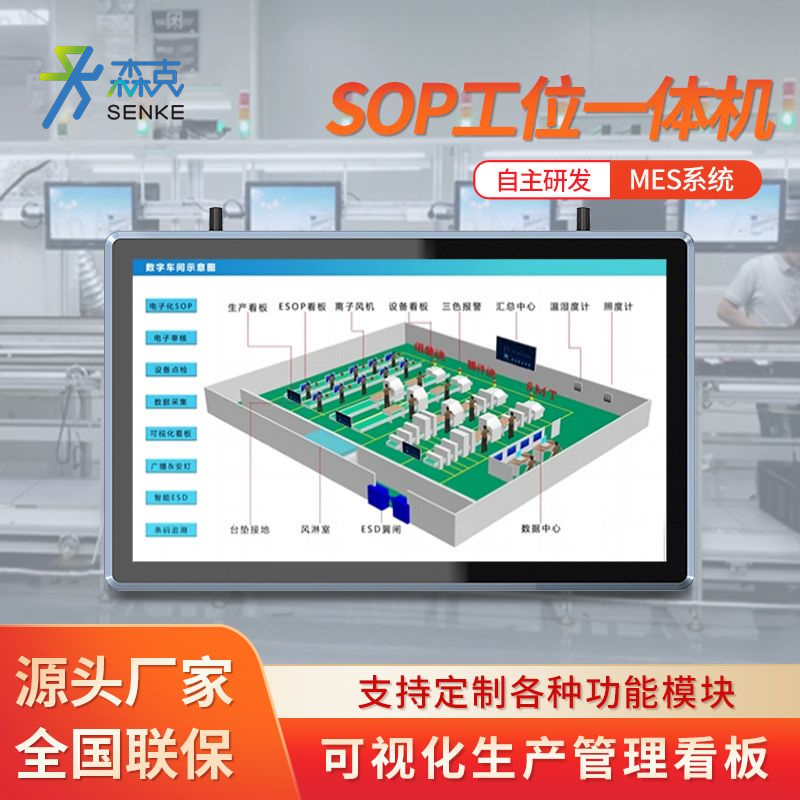
- Smart Manufacturing and Industrial Automation: As a core application scenario, it covers fields such as automotive manufacturing, electronic assembly, and food processing, providing terminal support for production line control, equipment monitoring, and the implementation of MES systems. Companies like Advantech and Etron have continuously increased their market penetration in this area, serving leading manufacturing enterprises such as Sany Heavy Industry and Midea.
- Power and Energy: Adapting to scenarios such as substation monitoring, power grid dispatching, and new energy power station management, wide-temperature and anti-interference products meet the demands of outdoor and complex electromagnetic environments. Advantech has a market share of 35.2% in the power industry, with its products widely used in projects of State Grid and Southern Power Grid.
- Railway Transportation: Focusing on maintenance, dispatching, and on-board control of high-speed railways, subways, and intercity railways, shock-resistant and reinforced products have passed industry-specific certifications. Companies like Etron and North China Industrial Control have achieved in-depth cooperation with CRRC, with a market share exceeding 30%.
- Information Innovation and Military: Compatible with domestic chips like Phytium and Loongson and the Kylin operating system, meeting the demands for autonomy and control in military, government, and financial sectors. Companies like Touchway and Zhongchu have achieved large-scale applications in military command and security monitoring.
- Other Niche Markets: Expanding into scenarios such as medical clean rooms, AGVs in warehousing and logistics, marine vessels, and smart security, waterproof, anti-corrosion, and highly reliable products are adapted to special environmental requirements.
(II) Global Market: Steady Overseas Expansion and Construction of Localized Service Networks
While the domestic market is maturing, leading enterprises are accelerating their global layout, leveraging their cost-effectiveness and customization advantages to expand into overseas markets such as Southeast Asia, Europe, and North America.
- Regional Layout: With Southeast Asia as the core breakthrough point, they rely on geographical and cost advantages to quickly capture the market of manufacturing transfer; simultaneously, they are laying out in Europe and North America, entering high-end industrial scenarios through product certification and localized services.
- Channels and Services: Establishing an overseas agent system and localized service teams, providing pre-sale solution design and post-sale operation and maintenance support, addressing the slow service response of international brands. Companies like Advantech and BOE have set up multiple production bases and service centers globally to enhance delivery and after-sales efficiency.
- Product Adaptation: Optimizing product design based on overseas market standards, obtaining international certifications such as CE, FCC, and UL, and adapting to local industrial protocols and systems to improve product compatibility.
(III) Industrial Chain Layout: Vertical Integration to Ensure Supply Chain Security
To cope with fluctuations in the global supply chain, leading enterprises are accelerating vertical integration of their industrial chains, achieving self-sufficiency from upstream raw materials to downstream terminals, thereby reducing costs and enhancing efficiency.
- Upstream Layout: Companies like Zhongchu have established a complete industrial chain covering optical substrates, AG glass, touch sensors, and display modules, and have invested in building industrial 4.0 production lines to achieve self-research and self-production of core components. Panel manufacturers such as BOE and Tianma Microelectronics, leveraging their display technology advantages, have extended their reach into industrial touch modules. By 2024, BOE’s industrial touch business revenue reached 4.27 billion yuan, with a market share of 22.9%.
- Midstream Synergy: Deeply collaborating with domestic chip, operating system, and industrial software enterprises, they promote the integrated adaptation of “domestic chips + domestic systems + industrial terminals”, building a complete domestic ecosystem.
- Downstream Cooperation: Establishing long-term strategic partnerships with equipment manufacturers and system integrators, participating in the formulation of industry standards, and proactively laying out emerging scenarios, they have formed an integrated delivery capability of “terminals + solutions + services”.
(4) Capacity and Service Layout: Large-scale Delivery and Full-cycle Service Support
Capacity and service capabilities are the foundation for market expansion. Leading enterprises ensure product delivery and customer experience through capacity expansion and service network construction.
- Capacity Building: Establishing production bases in the Yangtze River Delta, Pearl River Delta, and central and western regions, companies like BOE and Zhongchu share have expanded production lines to increase the capacity of industrial touch modules and complete machines, meeting the demands of large-scale orders.
- Service Network: Building a nationwide pre-sale, in-sale, and after-sale system, providing free solution design, remote operation and maintenance, on-site repair, and other services. Some enterprises have extended the warranty period to five years, addressing the maintenance and repair pain points of long-term use of industrial equipment.
III. Development Trends and Challenges: The Advancement Path of Domestic Leading Players
(I) Core Development Trends
- Deepening of Domestic Substitution: Upgrading from hardware substitution to full-stack independent control of “chips + systems + software”, the demand in the information innovation field continues to be released, and the market share of domestic industrial touch computers is expected to further increase.
- Integration of Intelligence and Edge Computing: Incorporating AI computing power and edge computing functions, industrial touch computers are transforming into intelligent gateways and data nodes, supporting the implementation of scenarios such as industrial Internet of Things and digital twins.
- Accelerated Technological Iteration: Advanced technologies such as flexible touch, transparent display, and low-power chips are gradually being applied, continuously enhancing product performance and scene adaptability.
- Increased Industry Concentration: Leading enterprises, leveraging their technological, production capacity, and service advantages, continue to expand their market share, while smaller players are gradually focusing on niche markets.
(2) Challenges Faced
- High-End Technology Gap: There is still a technological gap with international brands in areas such as high-end GPUs, high-speed connectors, and industrial real-time operating systems, with core components relying on imports.
- Insufficient Brand Recognition: International brands have accumulated deep roots in the high-end market, and domestic enterprises need to enhance their brand recognition and premium pricing power.
- Intensifying Global Competition: International giants are accelerating their localization strategies and squeezing the market space of domestic enterprises through price wars and ecosystem bindings.
IV. Conclusion
Through over a decade of technological accumulation and market cultivation, leading domestic industrial touch computer enterprises have achieved a leap from “following” to “parallel” in the industry. They have formed core advantages in industrial-grade reliability, scene adaptation, and customized services. In the future, with the deepening of domestic substitution, the upgrading of intelligent manufacturing, and the reconstruction of the global industrial chain, domestic enterprises need to continuously increase R&D investment, break through high-end technological bottlenecks, deepen industrial chain collaboration, expand the global market, and gradually transform from “domestic leaders” to “global benchmarks”, providing solid support for China’s industrial digital transformation and the autonomy and control of the industrial chain.