Chinese Industrial Touchscreen Computers: Technological Integration and Scene Implementation, Empowering the Improvement and Efficiency Enhancement of Manufacturing Industry
Product knowledge 2026-03-16
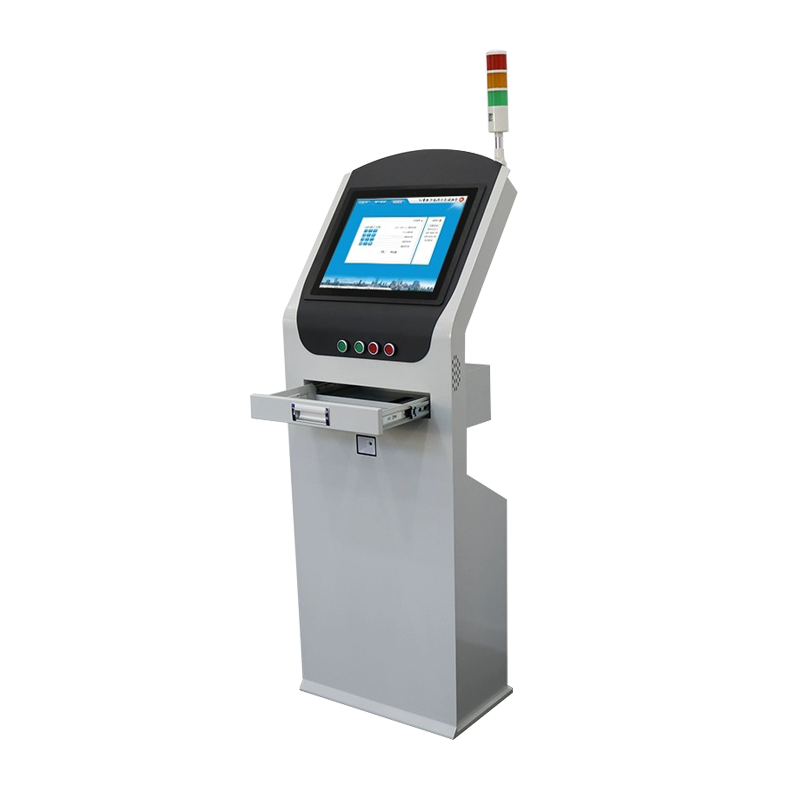
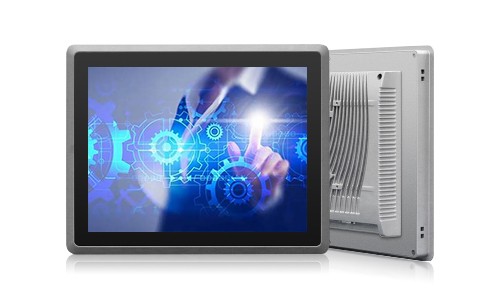
Under the backdrop of industrial digital transformation, Chinese industrial touchscreen computers, as the key carrier of human-computer interaction, are gradually achieving a deep integration of technology and scenarios. Leveraging local industrial advantages, they closely align with the actual pain points of domestic industrial production. They continuously strive in aspects such as function optimization, scene adaptation, and technological innovation, becoming an important terminal equipment that helps improve the efficiency and quality of manufacturing industry and promotes the intelligent development of industry.
The development of industrial touch screen computers in China has always been based on the actual needs of local industrial scenarios, distinct from the design logic of consumer-grade touch screen devices. Its core orientation is “adaptation to industry, stable operation, and convenient operation”. In industrial production scenarios, equipment needs to face diverse and complex environments, such as high and low temperatures, dust, oil stains, strong electromagnetic interference, etc. These issues are quite common. Therefore, in the design process of industrial touch screen computers, emphasis is placed on environmental adaptability and operational stability. Most products adopt industrial-grade dedicated components, undergo strict environmental tests and reliability verification, and can meet the requirements for long-term continuous operation in industrial scenarios, providing a guarantee for the smooth progress of production processes.
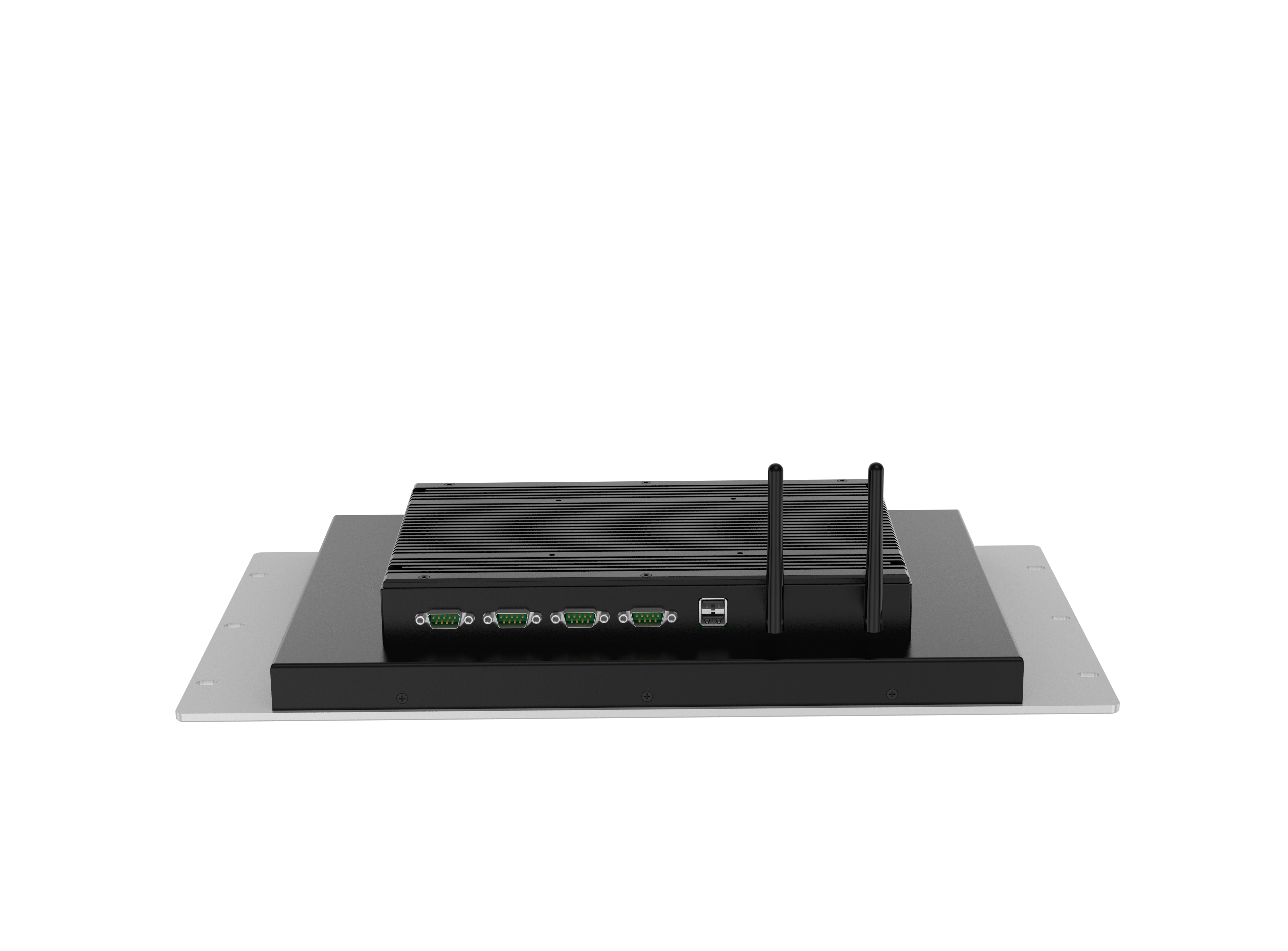
Technological integration is the core path for the iterative upgrade of China’s industrial touch screen computers. With the popularization of technologies such as industrial internet and edge computing, industrial touch screen computers are no longer merely “display + operation” terminals. Instead, they are gradually integrating functions such as data collection, analysis, and linkage control, achieving deep collaboration with industrial equipment and management systems. In terms of touch technology, local enterprises are constantly optimizing existing technologies, promoting the upgrade of touch control schemes such as projected capacitive and resistive types, improving operation accuracy and response speed. At the same time, they combine infrared touch control, flexible touch control and other technologies according to the needs of the scenarios, to meet the personalized requirements of different industries. In terms of the integration of hardware and software, devices generally support multiple industrial interfaces and network protocols, and can seamlessly connect with industrial equipment such as PLC and sensors, as well as management systems such as MES and SCADA, achieving real-time collection, transmission and display of production data, and providing managers with precise decision-making basis.
During the implementation of the scenarios, Chinese industrial touch screen computers focus on matching the production characteristics of different industries to achieve precise adaptation. In the automated production line scenarios, the equipment serves as the core interactive terminal, connecting the operators with the production equipment, enabling precise setting of process parameters and real-time monitoring of the production process, helping to automate and standardize the production process and reducing errors caused by human intervention; in the outdoor industrial scenarios, the equipment features optimized protection design and display effects, with the ability to withstand high and low temperatures, prevent glare, and resist rain and dust, meeting the needs of outdoor monitoring and outdoor operations; in the precision manufacturing scenarios, the equipment, with its high-precision touch control and stable operation performance, helps to achieve precise operation and precise control, improving product quality.
The coordinated development of local industries has provided strong support for the progress of industrial touch-screen computers in China. Upstream component enterprises continuously improve product quality and adaptability, providing stable core components for the production of industrial touch-screen computers; midstream equipment enterprises focus on scenario requirements and continuously optimize product design and production processes, launching personalized and customized products; downstream application enterprises provide feedback on usage needs, promoting the iterative upgrade of equipment, forming a virtuous cycle of “demand – research and development – production – application – optimization”. At the same time, the proportion of domestic components in use has been continuously increasing, further enhancing the local adaptability of the products and reducing supply chain risks.
Currently, the Chinese industrial touch screen computer industry is still in the stage of continuous development. There is still room for improvement in core technology research and development, as well as in the adaptation of high-end products. Some advanced touch control technologies and core components still need further breakthroughs, and the adaptability of specialized equipment for certain specific scenarios needs to be strengthened. However, with the continuous increase in R&D investment by local enterprises and the continuous driving of industrial demand, the overall competitiveness of the industry is gradually improving, and the stability, adaptability and intelligence level of products are constantly being optimized.
In the future, Chinese industrial touch screen computers will continue to focus on technological integration and scenario implementation, continuously promote product iteration and innovation, further enhance the adaptability to scenarios and core competitiveness. Relying on the advantages of the local industrial chain, they will meet the digital transformation needs of various industries, provide stronger support for improving the efficiency of the manufacturing industry, promote the development of industrial human-computer interaction terminals towards a more intelligent, more efficient and more adaptable direction, and help the Chinese manufacturing industry achieve high-quality development.