The differences and distinctions between the industrial automatic control integrated machine computer and PLC
Product knowledge 2026-02-13
The differences and distinctions between the industrial automatic control integrated machine computer and PLC
I. Scope of Control and Flexibility:
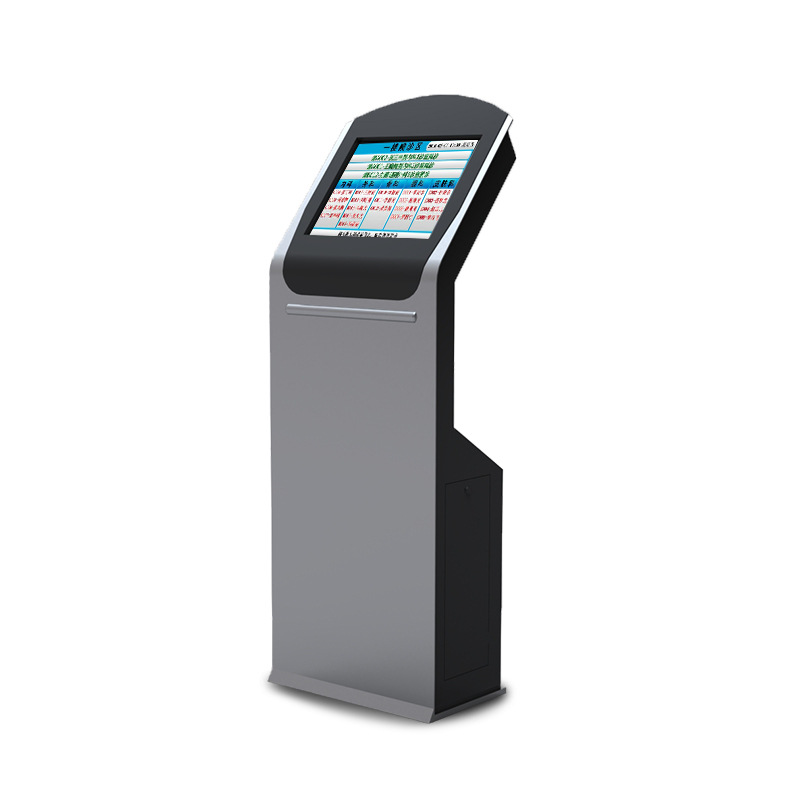
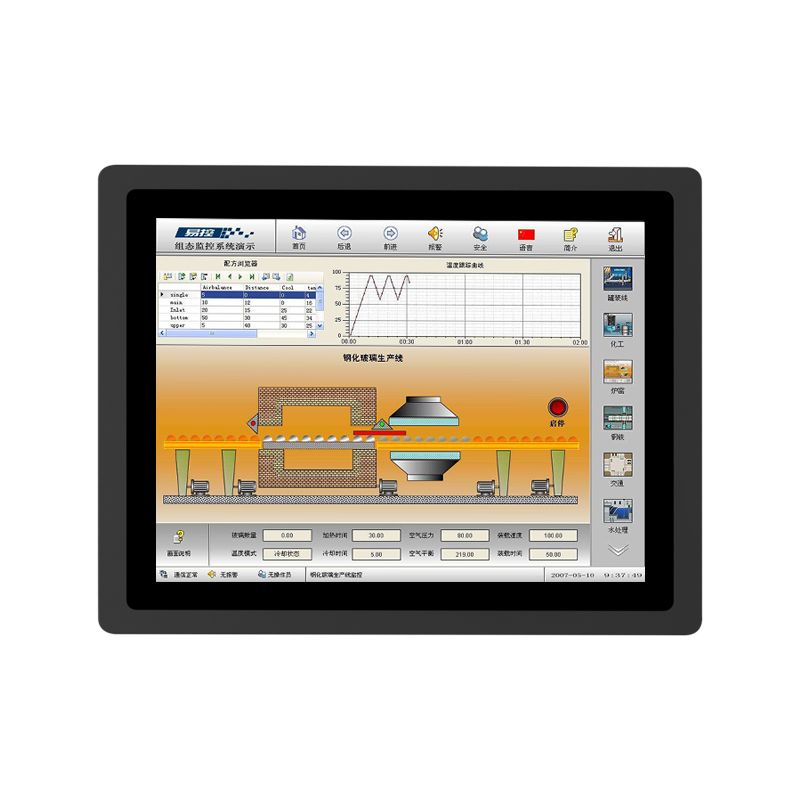
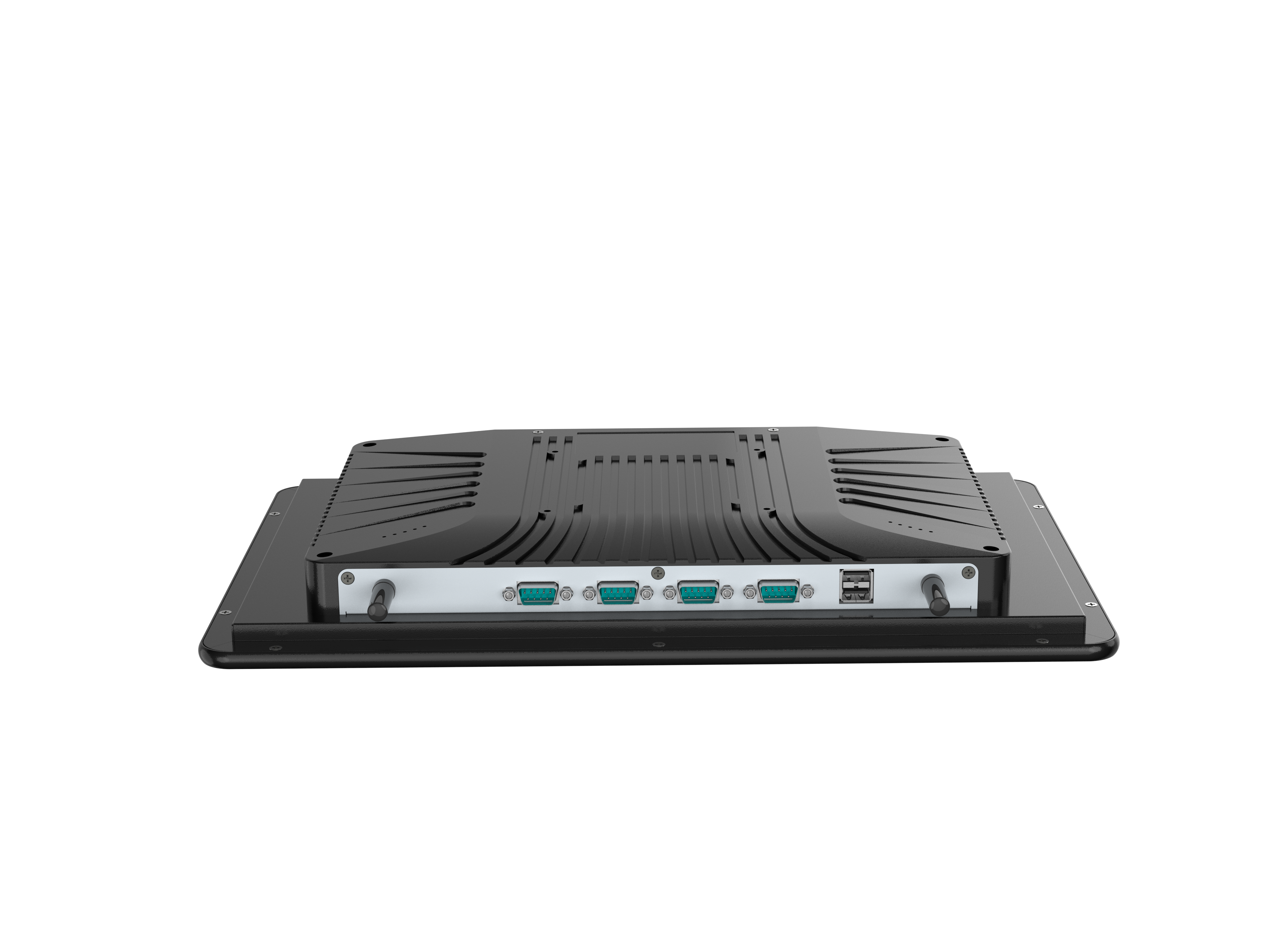
Industrial Computer: Compared to ordinary computers, industrial computers have significant advantages in the industrial field. Although they do not carry the latest generation of processors, they have higher stability and greater flexibility, can handle large amounts of data, and can meet various control requirements, including motion control, visual recognition, and human-machine interfaces. Due to their versatility, industrial computers become the primary role in large-scale automation systems, and more and more people choose the 4U industrial computer series.
PLC: PLC is a compulsory course in the field of automation, controlling switches, sensors, signal processing, etc. The fixed structure and logic of PLC limit its application scope in complex systems, but PLC has high reliability and real-time performance. PLC is necessary in industrial scenarios and is frequently used.
II. Programming Languages and Development Environments:
Industrial Control Computer: Industrial control computers typically use programming languages known to us, including but not limited to C language, Java, and Python. The development environment is diverse. Engineers can develop based on customer requirements and libraries. This flexibility makes industrial control computers suitable for various applications.
PLC: PLC uses dedicated programming languages such as Ladder Logic and Structured Text. The programming of PLC is relatively simpler compared to industrial control computers. PLC focuses more on real-time performance and reliability, and plays a different role in specific fields, suitable for more advanced industrial control needs.
III. Application Scenarios of Industrial Control Computers:
Industrial Control Computers: Industrial control computers are widely used in large-scale automation systems, including but not limited to industrial production lines, military fields, digital revolution fields, and Internet of Things fields. These computers can be applied in all of these areas. They can handle large amounts of data and complex control algorithms, and at the same time provide an intuitive human-machine interface.
PLC: PLC is mainly used for discrete control, such as the control of mechanical equipment, process control, etc. These are all key elements in automated production. If there is a serious lack of them, it will lead to system paralysis. It is necessary to ensure the reliable operation of the system.
IV. Conclusion:
Industrial control computers and PLCs each have their own advantages in the field of automation, which are commendable. It is crucial to select the appropriate equipment based on specific application requirements. Industrial control computers are suitable for complex and large-scale automation systems, while PLCs are more suitable for discrete control and scenarios with high real-time requirements.
When designing control systems, engineers make reasonable choices based on real-time needs and budget to ensure the efficient operation and reliability of the system. By understanding the differences between industrial control computers and PLCs, everyone can better make reasonable purchase demands and decision-making for automation systems and industrial control computers.