Industrial Panel PC Selection Guide for Filling Conveyor Lines
Product knowledge 2026-11-28
Filling lines are widely used for beverages, sauces, dairy products and liquid chemicals. The production process includes bottle feeding, liquid filling, capping, labeling, code printing and online inspection. Industrial panel PCs serve as local HMI and data acquisition terminals, connecting filling controllers, flow meters, weighing sensors, vision cameras, PLC and MES systems. They support recipe management, flow parameter adjustment, batch data recording and production traceability.
Core Selection Considerations
Environmental and Hygiene Adaptation
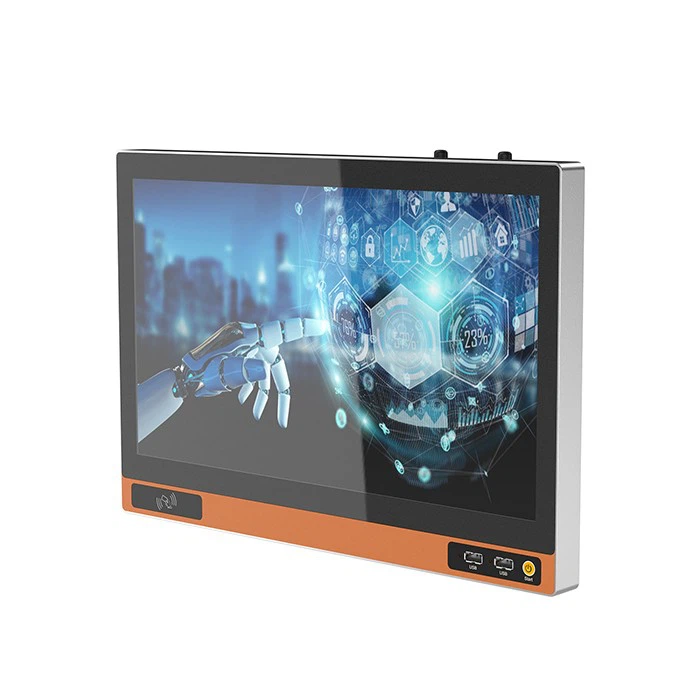
Filling workshops often have liquid splashes, water vapor and regular cleaning procedures. Fanless sealed structure reduces moisture and dust accumulation. IP65 front panel withstands water splashes and common cleaning agents. Stainless steel front bezels are optional for washdown zones with smooth surfaces for easy wiping. EMC design helps reduce interference from servo pumps, frequency converters and solenoid valves. Wide temperature and humidity tolerance adapts to changing workshop conditions.
Computing and Software Compatibility
Hardware specifications can be selected according to workflow. Basic configurations are suitable for recipe switching, flow parameter setting and batch log recording. Higher-performance configurations support visual inspection, real-time curve display and multi-sensor data collection. It supports mainstream operating systems and industrial protocols such as OPC UA and Modbus TCP.
Interface and Peripheral Expansion
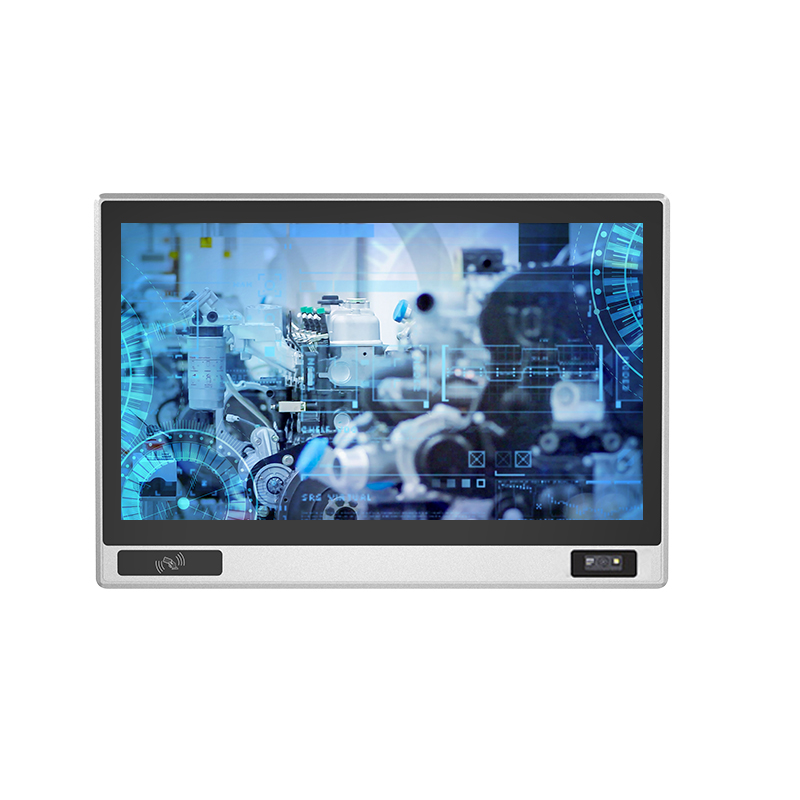
Multiple Gigabit Ethernet ports enable network isolation between control links and factory management links. USB, RS232 and RS485 interfaces reserve connections for barcode readers, flow meters, weighing modules, label printers and photoelectric sensors. Isolated serial ports are optional to reduce ground loop interference.
Touch and Display
Wet and glove touch function supports operation with sanitary gloves. Anti-glare screen options improve visibility under workshop lighting. Seamless front panel design simplifies daily cleaning. Installation options include panel mount, cantilever mount and cabinet embedded mounting.
Local Cache and Batch Record
The terminal links batch numbers, filling parameters, inspection results and operator information for traceability. Production data is stored locally when network communication fluctuates and synchronizes automatically after connection recovery. Historical records can be stored for quality checking and audit.
Typical Station Deployment
- Bottle Infeed & Filling Station: Call filling recipes, adjust flow and speed, collect real-time filling volume data.
- Capping Station: Monitor torque parameters, record abnormal capping events.
- Labeling & Coding Station: Send print instructions, verify barcode information and read product serial numbers.
- Online Inspection Station: Receive weight and visual inspection results, mark non-conforming products.
- Discharge & Conveying Station: Count finished containers and send completion signals to upper systems.
- Central Monitoring Station: Show line running status, production output and alarm information.
Integration Notes
Confirm communication protocols and data formats with filling equipment and MES suppliers in advance. Complete joint debugging of sensors, printers and vision equipment before formal production. Set differentiated operation permissions for recipe modification and data viewing. Back up batch records and system configurations regularly.